Ice Makers for a More Refined Home Bar Setup
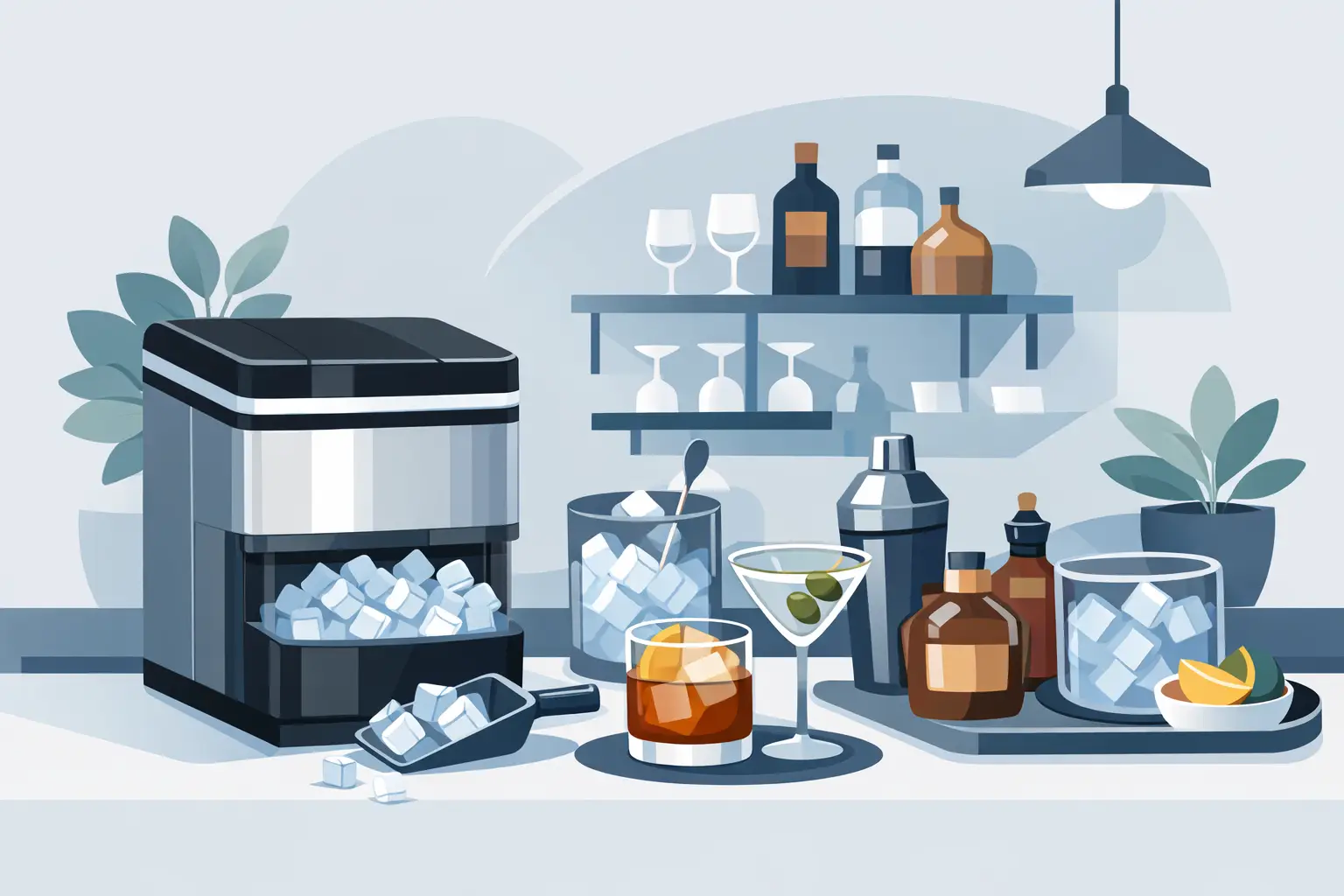
A great cocktail can lose its edge in seconds when it meets cloudy freezer ice with an off taste. The right ice makers change that small but noticeable detail, giving your kitchen, bar cart, or patio station a dependable supply of clean, attractive ice on demand. It is one of those upgrades that feels indulgent at first, then quickly becomes part of the routine.
For hosts, coffee enthusiasts, and anyone refining their daily kitchen rituals, an ice maker offers more than convenience. It creates a more considered experience, whether you are filling a glass of sparkling water after a workout, serving chilled rosé at dinner, or preparing iced lattes for a busy household.
Why Ice Makers Belong in an Elevated Home
Refrigerator ice dispensers can be useful, but they are rarely designed around the details that make ice enjoyable. They may produce a limited amount, absorb lingering freezer odors, or leave you waiting when guests arrive. Countertop ice makers solve a specific everyday problem: they produce fresh ice quickly and keep it within reach.
That speed matters. Many compact models begin making a first batch in roughly six to ten minutes, depending on the design and room conditions. While they are not freezers and typically do not keep ice frozen indefinitely, they make enough throughout the day to support regular drinks, family meals, and intimate entertaining without repeated runs to the store.
There is also a visual benefit. Modern ice makers come in finishes that feel at home beside premium small appliances, from understated black and stainless steel to crisp white and more sculptural silhouettes. In an open kitchen or a carefully arranged home bar, that polish is worth considering. A useful appliance does not need to look temporary.
Choose Ice by the Way You Entertain
The best ice maker is not automatically the one with the largest output. The more useful question is how you want ice to perform in your home. Shape, density, production capacity, and footprint each influence the result.
Bullet Ice for Everyday Drinks
Bullet-shaped ice is among the most common options for countertop machines. Its rounded form is easy on the glass, pleasant to chew, and versatile enough for water, soda, juice, and casual cocktails. These machines are often compact, fast, and straightforward to operate, making them a strong fit for apartments, family kitchens, and secondary beverage stations.
The trade-off is that bullet ice tends to melt faster than dense cubes. That is not a concern for a quick afternoon drink, but it may not be the first choice for a spirit-forward cocktail you intend to enjoy slowly.
Nugget Ice for Coffee, Sodas, and Snacking
Nugget ice has earned a devoted following for good reason. Small, airy, and satisfyingly chewable, it cools drinks quickly and works beautifully in iced coffee, lemonade, soft drinks, and blended-style refreshers. For homes where cold brew and sparkling water are daily staples, it can feel like a meaningful luxury.
Nugget models often require a larger investment and may take up more counter space. They are best chosen intentionally, especially if their softer texture is a feature you will genuinely use rather than a novelty.
Clear Cubes for a Polished Pour
Clear ice is the most dramatic choice for a home bar. Because it contains fewer trapped air bubbles and impurities, it has a clean, glass-like appearance that makes whiskey, old fashioneds, and premium mixed drinks look more composed. Larger clear cubes also melt more slowly, helping preserve the balance of a carefully made drink.
This category is ideal for the design-conscious entertainer, though production is typically slower than with standard countertop machines. If your goal is an always-ready supply for large gatherings, consider a machine with sufficient storage or pair clear cubes with a faster everyday model.
Size, Output, and Placement Matter
Before choosing a machine, measure the space where it will live. Countertop ice makers may be compact, but they still need clearance for ventilation and an accessible outlet. Avoid placing one tightly between cabinets or directly beside a heat source, where it may work harder and produce less efficiently.
Daily production is another number worth reading closely. A machine rated for 26 pounds per day can be more than adequate for a couple, a small family, or a weekend host. A higher-capacity model is better suited to frequent entertaining, larger households, and outdoor spaces where guests refill drinks throughout the day.
Keep in mind that a manufacturer’s daily output reflects ongoing production, not the amount held in the basket at one time. Most portable ice makers have modest storage bins, so you will either transfer extra ice to the freezer or let the machine continue cycling as needed. For a party, starting production a few hours early is a simple way to stay ahead.
Water source also shapes the ownership experience. Portable units are filled manually, which gives you freedom to use filtered water and place the appliance almost anywhere. Built-in or plumbed models offer greater capacity and less refilling, but require a more permanent installation. For most homes, a refined countertop model delivers the right balance of flexibility, performance, and visual appeal.
Features That Earn Their Counter Space
An ice maker should make the day easier, not add a new maintenance project. Start with controls that are clear at a glance. A full-basket indicator and a low-water alert prevent guesswork, while a self-cleaning cycle makes routine care far more manageable.
A viewing window can be surprisingly useful, especially when the appliance is placed in a pantry, on a patio, or at a beverage station away from the main kitchen. Removable baskets and scoops make serving cleaner, and a drain plug simplifies emptying the reservoir before storage or deep cleaning.
Noise deserves an honest consideration. All ice makers use a fan, pump, and compressor, so some operating sound is expected. For an open-concept kitchen, bedroom-adjacent wet bar, or quiet office, look for a model described as low-noise and place it on a stable, level surface. A slightly larger model with a quieter operation can be a better long-term choice than the smallest option available.
Color and finish are not merely decorative. A stainless steel machine may complement professional-style appliances, while matte black adds definition to a modern coffee nook. White can disappear into a light, coastal, or minimalist kitchen. Choose a finish that supports the room rather than competing with it.
Keep Every Batch Fresh-Tasting
Even a premium ice maker needs simple, consistent care. Ice picks up flavors easily, so filtered water is often the quickest path to better-tasting results. If your local water has a strong mineral content, using filtered water can also reduce scale inside the machine.
Empty unused ice regularly rather than allowing it to melt and refreeze through repeated cycles. If you are not using the machine for several days, drain the water reservoir, wipe it dry, and leave the lid open briefly so interior moisture can evaporate. This helps prevent stale odors and keeps the next batch tasting clean.
Follow the appliance instructions for cleaning frequency, particularly if you use it often. A dedicated cleaning cycle and a food-safe cleaner or diluted vinegar solution, when approved by the manufacturer, can remove mineral buildup from internal components. Rinse thoroughly before making ice for drinks again.
For outdoor use, bring the machine inside after the gathering. Most portable ice makers are designed for sheltered countertops, not prolonged exposure to rain, direct sun, or extreme temperatures. A covered patio can be an excellent setting, but the appliance still deserves the same care as any other kitchen essential.
A Small Upgrade With a Generous Effect
The most successful home upgrades are often the ones guests notice without needing an explanation. Fresh nugget ice beside cold brew, crystal-clear cubes in a nightcap, or a full basket ready for a summer lunch makes a space feel prepared and welcoming.
Choose an ice maker that suits the way you actually live, then give it a visible place in the rhythm of your home. At Viridin, that is the kind of practical refinement worth making room for: a detail that turns an ordinary pour into a more polished moment.











Leave a comment