Pool Cleaners for a Pristine Backyard Retreat
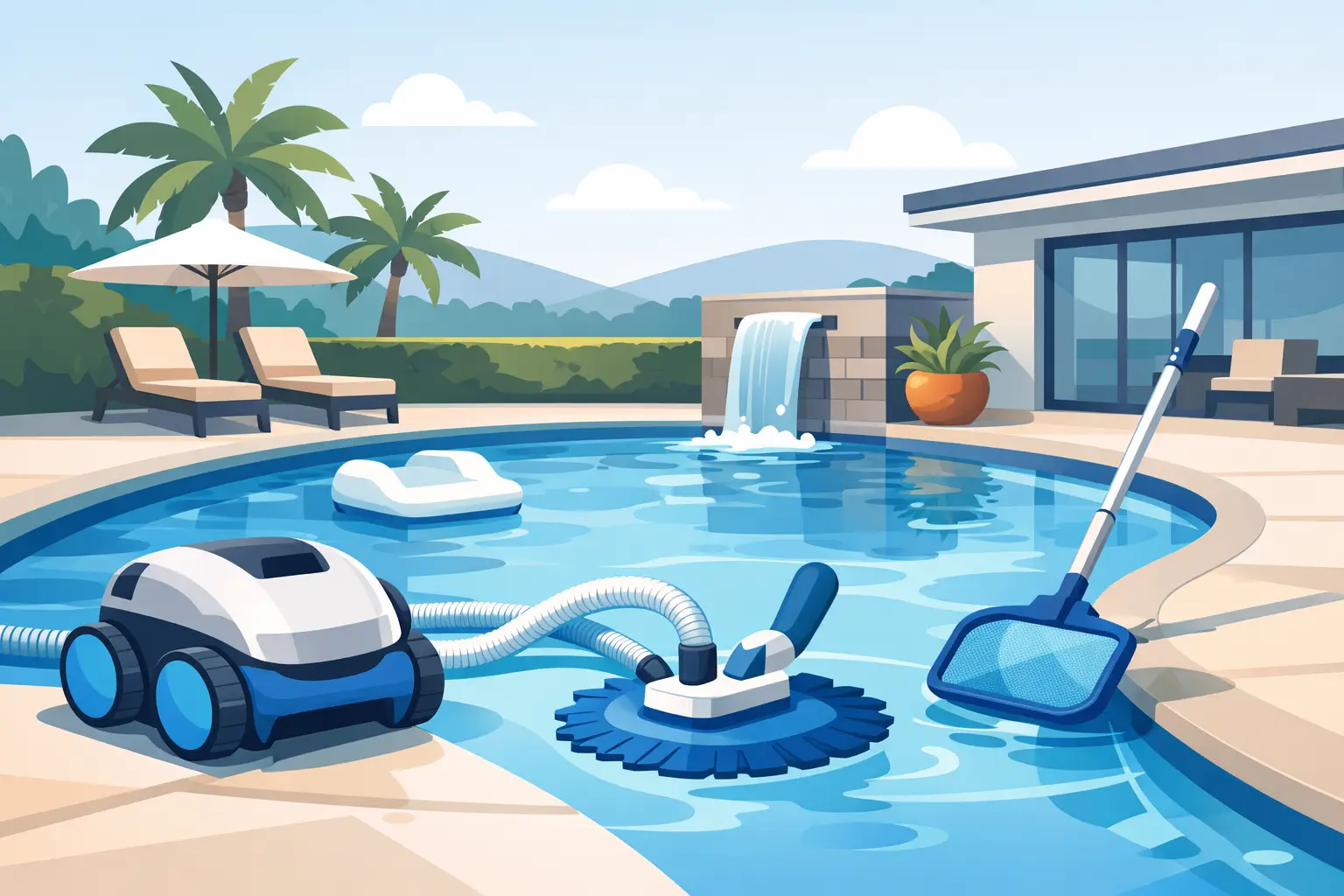
A beautiful pool should feel like an invitation, not another weekend task. The right pool cleaners remove the leaves, grit, pollen, and fine debris that can make clear water look neglected, leaving more time for slow afternoons, spontaneous swims, and hosting outdoors with confidence.
For a premium backyard, cleaning performance matters, but so does how naturally the equipment fits your routine. Some pools need deep, frequent floor-and-wall cleaning. Others collect mostly windblown debris and benefit from a simpler approach. Choosing well starts with the pool itself, not with the biggest feature list.
Why Pool Cleaners Are Worth the Upgrade
Manual vacuuming can be effective, but it asks for time most homeowners would rather spend enjoying the water. An automatic cleaner maintains a more consistent standard between professional service visits, helping prevent debris from breaking down in the water or settling into hard-to-reach corners.
That consistency has a visual payoff. A debris-free floor, clean tile line, and clearer water make the entire outdoor setting feel more refined. It also has a practical benefit: removing organic material before it accumulates can reduce the strain placed on your filtration system and make routine water care more manageable.
The best choice is not always the most complex or expensive machine. A compact suction model may be ideal for a smaller, lightly used pool, while a feature-rich robotic cleaner can be a smart investment for a large pool surrounded by mature landscaping. Think of it as selecting the right level of care for the way you live outdoors.
The Three Main Types of Pool Cleaners
Robotic pool cleaners
Robotic models are the high-end choice for homeowners who value independence and thorough coverage. They plug into a standard power source, use their own motor and onboard filtration, and travel across the pool floor. Many advanced models also climb walls, scrub the waterline, map the pool shape, and offer programmable cycles.
Because they operate separately from the pool pump, robotic cleaners can be especially appealing for homeowners who want powerful cleaning without relying on existing circulation equipment. Their built-in filters are often excellent at catching fine debris, including sand, pollen, and small particles that can dull the water’s appearance.
The trade-off is cost. Robotic cleaners generally have the highest upfront price, and they need occasional attention such as rinsing the filter basket, storing the unit properly, and replacing wear items over time. For a design-conscious home where the pool is a central part of outdoor living, that investment can be well justified by the performance and convenience.
Suction-side pool cleaners
Suction-side cleaners connect to the skimmer or a dedicated suction line and use the pull created by your pool pump. They move methodically around the pool, collecting debris through the existing filtration system.
This style is often a practical, approachable option for pools that primarily gather fine dirt, small leaves, and settled debris. There are fewer electronic components, and the cleaner can be easy to operate once the hose is correctly sized and the flow is balanced.
Its limitations are tied to that same simplicity. A suction cleaner draws on the pool’s circulation system, so it may require longer pump run times. Larger leaves or heavy debris can also demand more frequent skimmer and filter maintenance. It is a strong fit for a well-maintained pool with modest debris, rather than a pool beneath overhanging trees.
Pressure-side pool cleaners
Pressure-side cleaners use returning water pressure to move around the pool and typically collect debris in an attached bag. Instead of sending every leaf through the main filter, they keep larger debris contained for easy disposal.
That makes them appealing for backyards with lots of leaf drop, seed pods, or other visible debris. They can be especially useful when preserving the capacity of the primary filtration system is a priority.
Some pressure-side models require a dedicated booster pump, which can add to installation complexity and operating costs. Before selecting one, confirm whether your pool has the appropriate plumbing and pressure. A model that suits the pool’s infrastructure will always feel more effortless than one that requires workarounds.
Match the Cleaner to Your Pool and Surroundings
The most polished buying decision begins with a clear look at what lands in your pool. If your patio is exposed and debris is mostly dust, grass clippings, and fine sediment, strong filtration should be near the top of your list. If trees frame the water, choose a cleaner with a generous basket or bag designed for larger debris.
Pool shape matters as well. Basic rectangular pools are compatible with most designs, but freeform pools, deep ends, tanning ledges, steps, and tight curves can challenge a cleaner’s coverage. Robotic models with intelligent navigation are often better equipped for complex layouts, though no automatic cleaner can replace occasional attention to steps, benches, and corners.
Also consider the surface. Vinyl, fiberglass, plaster, pebble, and tile can all have different care needs. Check that the cleaner’s brushes, wheels, and recommended use are compatible with your finish. A premium cleaner should protect the surface as carefully as it cleans it.
Finally, be realistic about your equipment pad. Suction and pressure options depend on compatible plumbing and adequate pump performance. Robotic models need convenient access to a properly protected electrical outlet. The simplest cleaner to own is the one that works elegantly with what you already have.
Features That Improve Everyday Ownership
When comparing pool cleaners, focus on details that reduce friction after the initial purchase. A top-loading filter basket is easier to empty than a bag hidden beneath the unit. Transparent baskets make it simple to see when maintenance is needed, while fine filtration helps preserve the bright, inviting look of the water.
Cable management is another worthwhile consideration for robotic models. Swivel cables and anti-tangle designs can make a noticeable difference in larger pools. Lightweight construction, a caddy for storage, and an easy-lift function are equally valuable, particularly when the cleaner comes out of the water after each cycle.
App controls and scheduling can be convenient, but they should not outweigh cleaning fundamentals. A reliable cleaner with excellent traction, capable brushes, and easy maintenance is more valuable than a connected model that struggles with your pool’s shape. Smart features are a refinement, not a substitute for performance.
How Often Should You Run a Pool Cleaner?
For most residential pools, two or three cleaning cycles per week keep debris from becoming a larger maintenance issue. During heavy use, windy weather, or peak leaf season, daily operation may be the more polished approach. The goal is to remove debris before it settles, stains, or affects water balance.
Robotic cleaners make this schedule easy because they can run independently of the pool system. With suction-side and pressure-side options, the ideal schedule will depend on pump operation and the amount of debris your backyard receives. A quick visual check every few days will tell you more than a rigid rule ever could.
Remember that a cleaner supports, rather than replaces, complete pool care. Water chemistry, skimmer baskets, filter cleaning, and periodic brushing still protect the look and longevity of the pool. The cleaner simply makes the entire routine more efficient.
Keep Your Cleaner Performing Beautifully
A few minutes of care after each use can extend the life of the equipment. Empty and rinse filters or debris bags before buildup hardens. Check brushes, tracks, wheels, and hoses for wear, and remove any tangled hair, twigs, or small stones before storage.
Never leave a robotic cleaner in the pool longer than the manufacturer recommends, especially during extreme weather or when chemical treatments are being added. Store it out of direct sun when possible. For suction and pressure models, inspect connections and hoses periodically so a small air leak or loose fitting does not reduce performance.
A thoughtfully selected cleaner turns pool maintenance from a recurring chore into a quiet background routine. Whether you choose independent robotic precision or a proven pressure or suction design, select the model that keeps your water ready for the moments you want to enjoy. Viridin’s curated approach to outdoor living is built around that same idea: elevated spaces should ask less of your time and give more back to it.













Leave a comment