Modular Kitchens That Make Every Inch Count
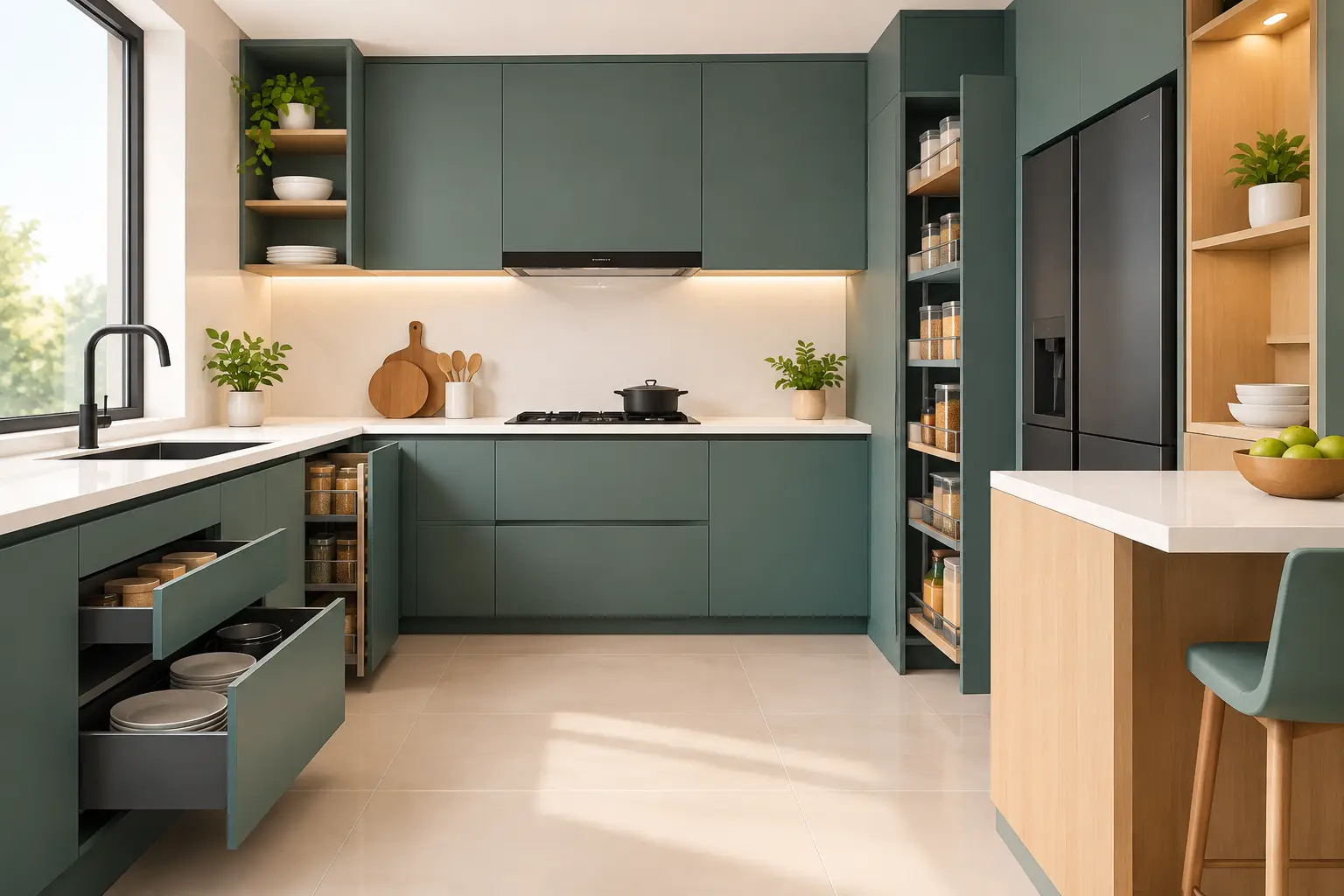
A kitchen should not force you to choose between a polished look and a practical routine. The best modular kitchens bring both together: tailored storage, thoughtful proportions, and a finish that makes the room feel like a considered part of the home rather than a purely functional workspace.
For homeowners planning a renovation, apartment dwellers working with limited square footage, or anyone ready to replace a dated layout, modular design offers an appealing middle ground. It delivers a more customized feel than a standard cabinet set while avoiding the cost and timeline that can come with fully bespoke millwork.
What Makes a Kitchen Modular?
A modular kitchen is built from standardized cabinet units, or modules, that can be selected and arranged to fit a room’s dimensions and daily needs. Base cabinets, wall cabinets, pantry towers, drawer banks, appliance housings, and corner solutions work together as a coordinated system.
That does not mean every modular kitchen looks the same. The structure may be standardized, but the final result can feel distinctly personal through layout, cabinet fronts, hardware, countertop material, lighting, and appliance selection. A warm oak finish with brushed brass pulls creates a different atmosphere from sleek matte white cabinetry with integrated handles, even when both use the same basic cabinet framework.
The real advantage is flexibility with discipline. Modules make it easier to plan storage precisely, replace individual components in the future, and create a refined, built-in appearance without inventing every detail from scratch.
Start With How You Actually Use the Room
Beautiful kitchens underperform when the layout ignores real habits. Before comparing finishes or fixtures, consider the rhythm of a typical morning, weeknight dinner, and weekend gathering. Do you need room for two people to prep at once? Is the kitchen also a coffee station, homework zone, or entertaining hub? Are small appliances used daily or better stored out of sight?
A compact galley kitchen may benefit from tall pantry storage and uninterrupted counter space. An L-shaped kitchen can create an open work zone while leaving room for a dining table. In larger homes, an island can add seating, storage, and prep space, but only if there is enough clearance around it. A generous-looking island that narrows the walkway can make a premium renovation feel frustratingly cramped.
Designers often refer to the relationship between the sink, cooktop, and refrigerator as the work triangle. It remains useful, but modern kitchens also need zones. Think of a landing area beside the refrigerator for groceries, drawers near the cooktop for utensils, and a cleanup zone that keeps dishes, trash, and dishwasher access close together. These small decisions make a greater difference than a dramatic finish alone.
Measure Twice, Then Plan Around Clearance
Accurate measurements are the foundation of a modular plan. Record wall lengths, ceiling height, windows, doors, outlets, vents, plumbing, and any architectural details that cannot move. Be especially careful with door swings, appliance doors, and drawer openings.
A cabinet plan should look good on paper and allow people to move comfortably in real life. In a one-cook kitchen, an aisle around 42 inches wide is often workable; shared kitchens generally benefit from more room. Requirements vary by home and local code, so confirm dimensions with a qualified kitchen designer or installer before ordering.
Choose Storage That Reduces Visual Noise
Premium kitchens feel calm because the essentials have a place. Instead of adding cabinets simply to fill walls, choose modules that solve specific problems.
Deep drawers are often more convenient than lower cabinets with shelves because cookware, dishes, and pantry staples are visible from above. A tall pull-out pantry can organize dry goods in a narrow footprint, while a dedicated trash-and-recycling cabinet keeps a necessary task out of sight. In tight kitchens, a corner pull-out or well-designed corner drawer can recover space that might otherwise be difficult to use.
For an elevated finish, mix concealed storage with one or two intentional display moments. Glass-front upper cabinets, open shelving for ceramics, or a lit niche for a coffee setup can make the space feel collected rather than crowded. The key is restraint. Open shelves are striking when styled lightly; they become high-maintenance when expected to hold every mug and grocery item.
Select Materials for the Way You Live
Finish selection is where modular kitchens become expressive, but durability deserves equal consideration. Cabinet doors face fingerprints, cooking residue, humidity, and daily impact. A high-gloss surface can brighten a smaller room and reflect light beautifully, though it may show smudges more readily. Matte finishes offer a soft, contemporary look and are often forgiving in busy family kitchens.
Wood-look finishes bring warmth without requiring the upkeep of natural wood veneer, while painted or lacquered fronts can create a crisp, tailored appearance. If you prefer a timeless investment look, consider pairing quieter cabinetry with materials that gain character over time, such as natural stone or quality metal hardware.
Countertops require the same balance of beauty and practicality. Quartz is a popular choice for its consistent appearance and low-maintenance appeal. Natural stone offers depth and variation that cannot be replicated, but some options need periodic sealing and more mindful care. Porcelain slabs can provide impressive resistance to heat and staining, while butcher block introduces warmth but asks for regular maintenance. There is no universal best choice – there is only the material that suits your cooking style, budget, and tolerance for upkeep.
Let Lighting Do More Than Illuminate
Lighting should support every layer of the kitchen. Overhead fixtures provide general brightness, but under-cabinet lighting is what makes chopping, reading labels, and late-night cleanup more comfortable. It also gives cabinetry and backsplash materials a more finished, high-end presence.
If the room includes an island or peninsula, pendant lights can introduce scale and personality. Choose fixtures that complement the cabinet hardware rather than matching every metal exactly. A layered mix of warm metals, for example, can feel more collected than a room where every finish is identical.
Integrate Appliances With Intention
Appliance choices can either strengthen the composed look of a modular kitchen or interrupt it. Integrated refrigerators and dishwashers create a continuous cabinet line, especially valuable in open-plan homes where the kitchen is always visible. They are typically a premium investment, however, and a well-selected freestanding appliance can still look sophisticated when framed by thoughtful cabinetry.
Think beyond the major appliances. A microwave drawer may free up counter space. A pull-out shelf for a stand mixer can make baking easier without keeping a heavy appliance on display. A dedicated charging drawer keeps cords away from the island, while a built-in coffee station can turn a daily habit into a more refined ritual.
Do not choose features simply because they appear in a showroom. If you rarely bake, a second oven may not earn its footprint. If you entertain often, extra refrigeration or a larger prep surface may be far more valuable.
Where to Spend and Where to Stay Practical
A modular approach can create impressive value, but budgets still need priorities. Spend where the kitchen receives the most wear and where changes would be expensive later: quality cabinet construction, durable hardware, accurate installation, effective ventilation, and a countertop you will enjoy using every day.
You can often stay more practical with interior accessories that can be added later, decorative lighting that can be upgraded, or specialty storage features that sound useful but do not match your routine. A simple drawer organizer that gets used daily is better than an elaborate insert that complicates access.
Installation also deserves attention. Even beautifully specified modules can look unfinished if walls are uneven, measurements are rushed, or trim details are neglected. Leave room in the project budget for professional installation, electrical work, plumbing adjustments, and the small finishing decisions that create a polished result.
A Refined Kitchen Is One You Want to Use
The most successful modular kitchens do not chase every trend. They feel composed, efficient, and personal from the first cup of coffee to the last dish of the evening. Start with the space you have, invest in the features that support your real routine, and choose finishes that make daily life feel a little more considered.









Leave a comment