Best Solar Garden Lights for a Polished Yard
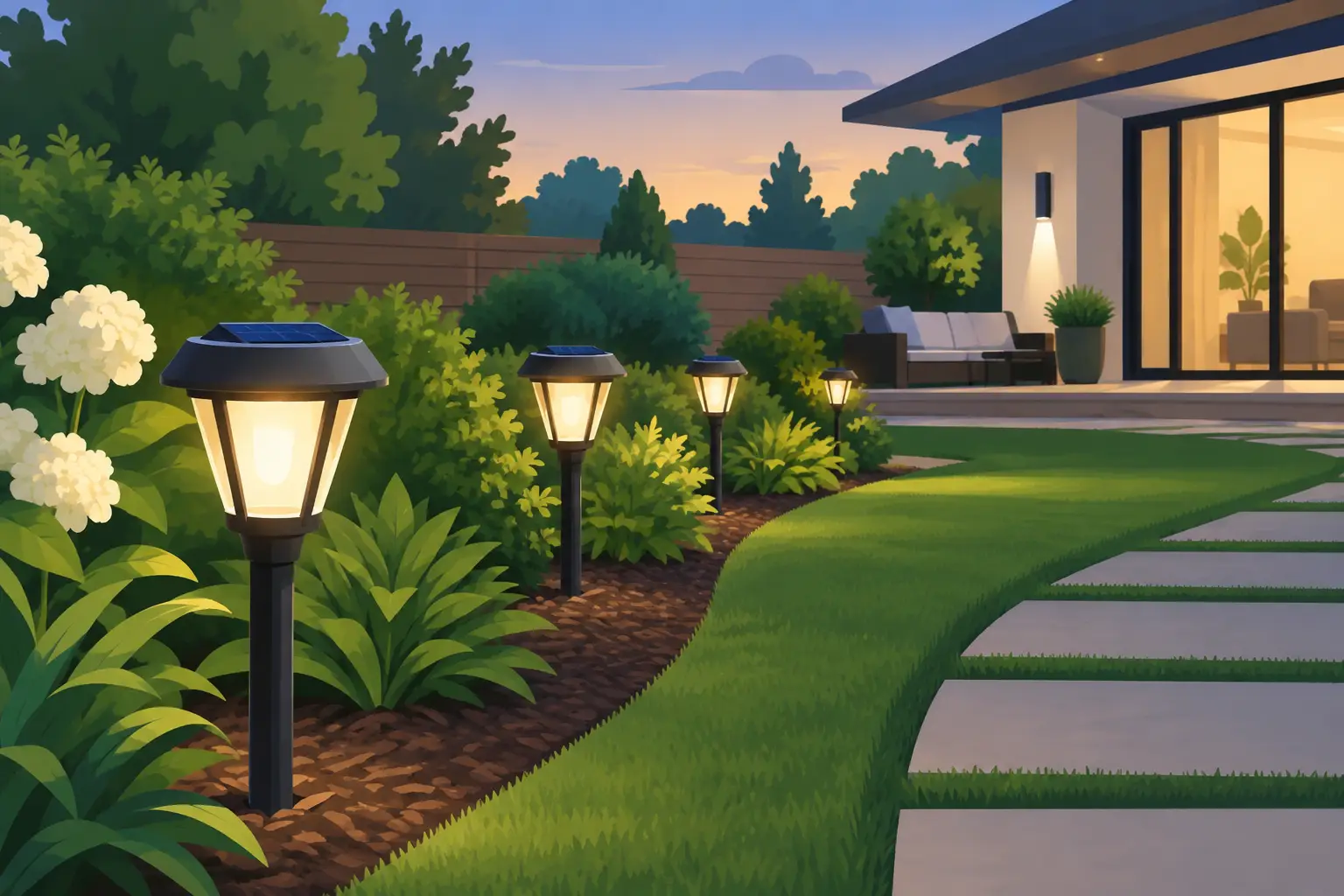
A beautifully lit garden should feel intentional after sunset, not dotted with random pools of weak light. The best solar garden lights add dimension to pathways, shape a patio’s evening mood, and bring planted borders into view without adding wiring, outlets, or a higher energy bill. For a refined outdoor space, the deciding factor is rarely just brightness. It is the balance of light quality, material, placement, and silhouette.
Solar lighting has moved well beyond disposable stake lights. Today’s elevated designs can create a warm arrival path, a softly defined dining terrace, or a focal point around an olive tree, fountain, or sculptural planter. Choosing well means matching each fixture to the role it needs to play.
What Makes the Best Solar Garden Lights Different?
Premium solar lights do more than turn on when the sun goes down. They hold their visual appeal in daylight, produce a flattering glow after dark, and withstand the conditions of your particular outdoor setting.
Start with the light itself. Warm white light, generally in the 2700K to 3000K range, gives gardens, wood decking, and natural stone a more inviting appearance than harsh blue-white LEDs. Cooler light can suit a contemporary architectural exterior, but it often makes planting feel less relaxed and can look overly clinical near seating areas.
Then look at construction. Powder-coated metal, stainless steel, solid glass, and well-finished weather-resistant resin tend to feel more considered than thin plastic. Metal is especially compelling for a high-end landscape, although coastal homes should favor marine-grade or corrosion-resistant finishes. Glass lenses provide a cleaner, more luminous effect, but they deserve a more protected location than a busy path where lawn equipment or children’s play may pose a risk.
Battery capacity and panel quality matter just as much as the fixture’s appearance. A generous battery and efficient monocrystalline solar panel are more likely to provide a dependable evening glow after a less-than-perfect day of sun. Decorative lights can be subtle. Safety lighting around steps and walkways should be consistently bright enough to define edges.
The Best Solar Garden Lights by Outdoor Use
The most polished gardens layer several kinds of light rather than relying on one fixture everywhere. Think of solar lighting as an outdoor furnishing choice: each piece should earn its place.
Path lights for a composed arrival
Solar path lights are the natural choice for front walks, side yards, gravel paths, and transitions between a patio and garden. Look for low-profile stakes or short bollard-style fixtures that direct light downward and outward. The goal is to reveal the route, not create a runway.
Spacing is where many gardens lose their sense of finish. Place fixtures roughly six to eight feet apart for a soft, continuous rhythm, adjusting for curves and dark areas. A symmetrical layout suits formal landscaping, while slightly staggered placement can feel more relaxed around cottage-style borders. Avoid crowding the lights directly beside one another, which creates a cluttered daytime look and uneven pools of brightness at night.
Lanterns for patios, porches, and outdoor dining
Solar lanterns bring the most atmosphere to spaces designed for gathering. A pair beside a front entry, a few grouped around a lounge area, or one placed at the center of a side table can make a patio feel furnished long after the sun sets.
Choose enclosed glass or metal-framed lanterns for a more tailored look. Open, patterned designs cast decorative shadows across tabletops and paving, which can be charming for occasional entertaining. For everyday use, a diffuser or frosted lens produces a softer, more versatile light that will not distract from food, conversation, or the view of the garden.
Spotlights for trees and architectural planting
Solar spotlights are ideal when a garden already has strong features worth showing off. A mature tree, a row of ornamental grasses, a specimen maple, or textured stonework can take on a completely different character with upward light.
Use these sparingly. One or two focused beams can feel dramatic and sophisticated; too many create visual noise. Position the fixture outside the plant’s root zone when possible, angle it carefully, and check the view from both inside the home and from the primary seating area. A spotlight that shines into a window or directly into a guest’s eyes will never feel luxurious.
Deck, step, and fence lights for subtle definition
Low-mounted solar lights on deck posts, stair risers, railings, or fences provide practical guidance without interrupting the landscape. These are particularly useful for homes with raised decks, pool-adjacent steps, or narrow side passages where a stake light would get in the way.
The best versions disappear into the structure during the day. Select a finish that echoes existing hardware, whether that is matte black, bronze, brushed steel, or warm wood tones. Their job is quiet definition, not decoration.
Floating and water-feature lights for a special occasion
For ponds, fountains, and poolside entertaining, waterproof solar lights can add a celebratory touch. These work best as accents rather than permanent landscape lighting. Their reflections are naturally eye-catching, so a restrained approach preserves the elegance of the water feature.
Check the waterproof rating before buying. A light described as weather-resistant is not automatically safe for submersion. For pool areas, keep fixtures positioned where they do not create glare across the water’s surface.
How Bright Should Solar Garden Lighting Be?
More lumens do not automatically mean better lighting. A pathway usually needs a modest, downward-facing glow, while a spotlight on a large tree needs significantly more output. Decorative lanterns may offer very low lumens because ambiance, rather than illumination, is their purpose.
For most residential gardens, think in layers. Low-output path lights establish movement through the space. Medium-output wall, deck, or stair lights clarify edges. Higher-output spotlights create a focal point. This hierarchy is what makes an outdoor setting feel considered rather than uniformly bright.
Motion-sensor solar lights deserve a separate mention. They are excellent near a garage, gate, shed, or dark side entrance where security and task lighting matter. Their coolly functional purpose can make them less appropriate near a dining terrace or a carefully planted border. Keep security lighting and mood lighting distinct for a more polished result.
Placement Mistakes That Limit Performance
A solar light can only perform as well as its panel allows. Before setting fixtures in place, watch how sunlight moves across the yard. A panel hidden below dense shrubs, beneath a porch roof, or under the canopy of a mature tree may not charge enough to last through the evening.
Do not assume every fixture has to sit in full sun if the panel can be positioned separately. Some designs allow the panel to sit in a brighter area while the light illuminates a shaded garden corner. This is especially useful for covered patios and heavily landscaped yards.
Keep panels clean, too. Pollen, dust, fallen leaves, and snow reduce charging efficiency. A gentle wipe every few weeks during peak outdoor season can make a noticeable difference. In regions with short winter days, expect a shorter run time and use solar fixtures primarily for accents rather than as the sole source of safety lighting.
Choosing a Style That Complements Your Home
The right finish helps solar fixtures feel integrated instead of added on. Matte black works beautifully with modern exteriors, crisp white trim, and contemporary planters. Bronze and antique brass tones suit traditional homes, brick facades, and gardens with warmer planting palettes. Stainless steel can look clean and current, but it needs a finish designed to resist fingerprints, water spots, and corrosion.
For a minimal landscape, choose simple silhouettes with concealed panels and clear lines. For a more romantic setting, consider lantern shapes, seeded-glass textures, or softly patterned cutouts. The key is consistency. Repeating one metal finish or one design language across the garden makes even a modest lighting plan look more expensive.
A Better Way to Build Your Lighting Plan
Begin with the places you use after dark: the front approach, the route from the back door to the patio, the dining area, and any steps. Solve those first. Then select one or two visual moments, such as a tree, a fountain, or a pair of planters at an entry.
Buy fewer, better fixtures rather than filling every open edge with lights. High-quality materials, warm illumination, and thoughtful spacing create a garden that feels composed in every season. A curated outdoor collection, such as the refined patio and garden selections at Viridin, is a strong place to prioritize style and function together.
As evening settles in, your garden should not simply become visible. It should feel like another room of the home: inviting, quietly elevated, and ready to enjoy.










Leave a comment