How to Choose Sectional Sofa for Your Space
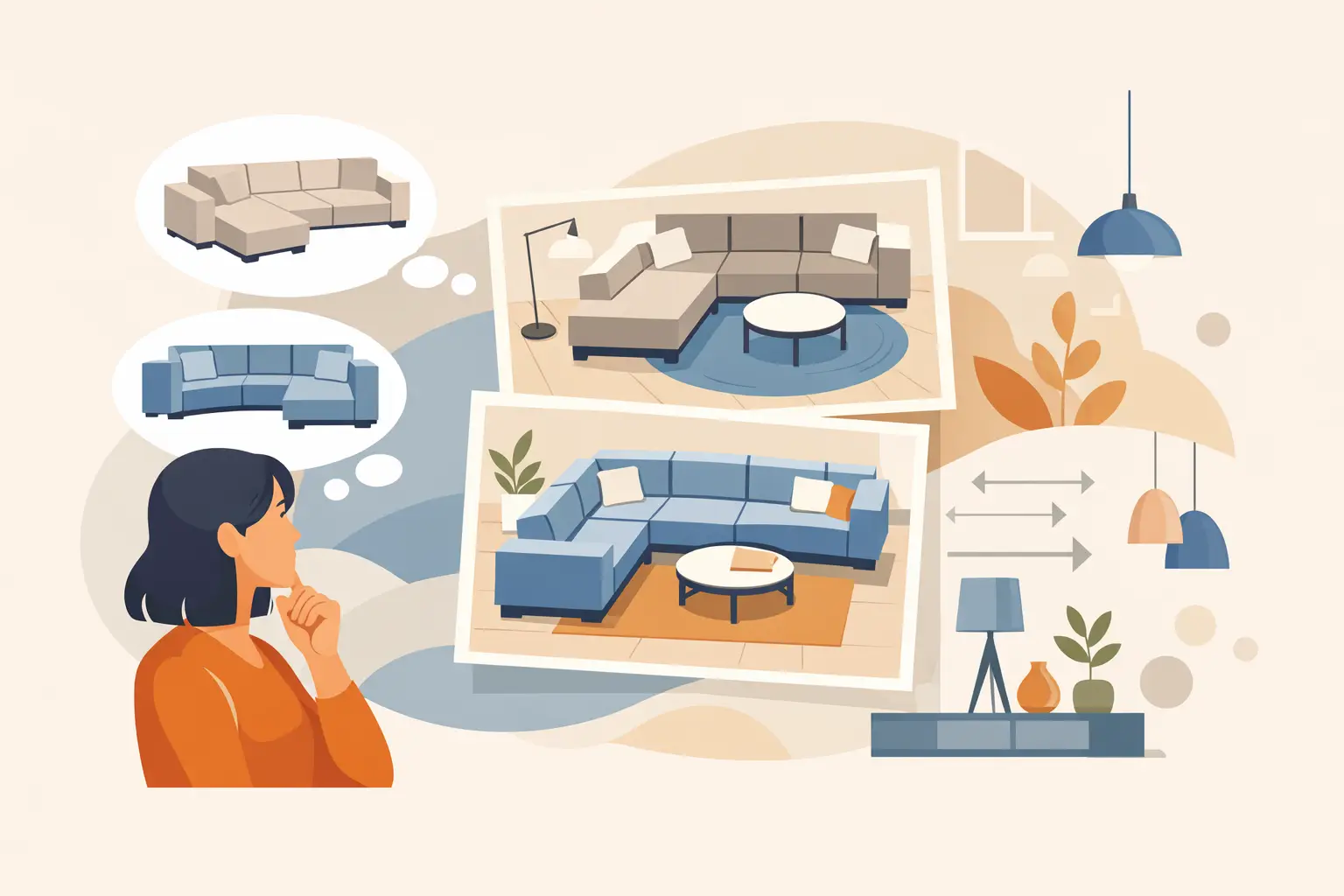
A sectional can make a living room feel finished in one move – or make it feel cramped, awkward, and far more expensive than it should have been. If you are wondering how to choose sectional sofa options that actually suit your home, the right approach is less about chasing trends and more about balancing scale, layout, comfort, and finish.
A well-chosen sectional does more than add seats. It sets the tone of the room, shapes traffic flow, and often becomes the piece every other design choice has to answer to. That is why the best purchase is rarely the biggest one or the one with the most features. It is the one that fits your space and the way you live.
How to choose sectional sofa size without guessing
Start with dimensions before you think about color or silhouette. This is the step shoppers rush through, and it is where most regret begins.
Measure the full room, then measure the area you are actually willing to give to the sofa. Those are not always the same thing. In an open-concept home, for example, the sectional may need to define the living zone without swallowing the dining area. In a smaller apartment, every extra inch matters because you still need a clear path around the piece.
As a general rule, leave enough room for people to move comfortably around the sectional and through the room. A sectional that looks perfect in a showroom can feel oversized once coffee tables, side tables, lamps, and real-life walking paths are added. Painter’s tape on the floor helps more than imagination ever will.
Ceiling height also changes how a sectional feels. Low-profile sectionals tend to look more refined in smaller rooms because they keep sightlines open. A taller, deeper sectional can feel luxurious in a large family room, but in a tighter space it may read heavy.
Pick the right sectional configuration
The shape matters just as much as the size. The most common choice is between an L-shaped sectional and a U-shaped sectional, but within those formats there is a wide range of proportions.
An L-shaped sectional is often the most versatile. It works well in apartments, condos, and medium-sized living rooms because it creates a natural lounge area without overwhelming the footprint. If your room needs one strong seating zone and a little extra stretch-out space, this is often the cleanest answer.
A U-shaped sectional is better for larger rooms or households that entertain often. It creates a more social layout because people can face one another more easily. The trade-off is obvious – it asks for more square footage and can dominate the room if the scale is even slightly off.
Modular sectionals deserve a closer look if flexibility matters to you. They are especially useful for homes that change often, whether that means frequent rearranging, moves, or a family space that needs to adapt over time. The premium appeal here is practical as much as visual. A modular design gives you more control, but it can come at a higher price point than a fixed sectional.
Left-facing or right-facing matters more than you think
This sounds like a detail until delivery day. The chaise or extended side should support the natural flow of the room, not block it. Think about where people enter, where the television sits, where windows and doors open, and which side feels more intuitive for lounging.
If you are choosing from online collections, verify how the orientation is labeled. Some retailers define left-facing and right-facing from the perspective of someone standing in front of the sofa, while others define it from the perspective of someone sitting on it. Double-checking this saves a very expensive headache.
Choose comfort based on real use
A sectional can photograph beautifully and still be wrong for your lifestyle. Comfort is not one universal standard. It depends on how you actually use the room.
If the sectional is for a formal sitting room or a design-forward space that sees lighter use, you may prefer a tailored seat with a firmer cushion and crisp lines. It looks elevated and stays polished. If this is the main family room where people stream movies, nap, and pile in with pets and kids, deeper seats and softer cushions will likely feel better day to day.
Seat depth is one of the biggest comfort variables. A deep seat feels relaxed and lounge-ready, but shorter household members may find it less supportive. Shallower seats feel more upright and easier to get in and out of, which some buyers prefer for conversation spaces or multi-generational homes.
Back cushions matter too. Loose back cushions can feel plush and inviting, but they need occasional fluffing. Tight backs keep a cleaner profile and require less fuss. Neither is automatically better. It depends on whether you value a tailored look or sink-in softness.
Fabric, leather, and performance materials
The upholstery you choose should match both your design standard and your reality. Premium living does not mean delicate living. The best upholstery is the one that stays beautiful under the conditions of your household.
Performance fabric is often the smartest choice for busy homes. It offers a refined look with more forgiveness around spills, pets, and daily wear. For families, pet owners, or anyone using the sectional as an everyday anchor piece, this is where style and practicality meet in the best way.
Leather brings a high-end presence that only gets better when chosen well. It adds richness, structure, and a collected feel that works especially well in modern, transitional, and masculine interiors. The trade-off is that leather can show scratches, vary in softness, and feel warmer or cooler depending on the season.
Textured woven fabrics create depth and softness, but not all textures wear the same way. A heavily nubby fabric may look designer-approved, yet it can catch pet claws or show wear faster in hard-use households. Smooth, tightly woven fabrics often age more gracefully.
Color should support the room, not fight it
A sectional is too substantial to treat like an accent piece. Neutral tones remain popular for good reason. Cream, taupe, camel, gray, and warm beige are easier to style over time and tend to feel more enduring than trend-led shades.
That said, neutral does not have to mean flat. A premium room usually benefits from tonal variation, subtle texture, and contrast in other materials such as wood, stone, metal, and layered textiles. If you love a bold sectional, make sure you are committed to it for more than one season. Rich olive, navy, or rust can look exceptional, but they ask the rest of the room to cooperate.
Think about the room from every angle
When learning how to choose sectional sofa styles, most people focus on the front view. In real homes, the side and back matter too.
If the sectional floats in the middle of the room, the back should look finished and intentional. This is especially important in open layouts where the sofa is visible from the kitchen or entry. Details like arm shape, back height, leg finish, and overall profile become part of the room’s architecture.
A skirted sectional can feel soft and classic, while exposed legs often look lighter and more contemporary. If you want the room to feel airy, visible legs help. If you want a grounded, cozy effect, a fuller base can work beautifully.
Don’t ignore delivery realities
The right sectional still has to make it into your home. Measure doorways, stairwells, hallways, elevators, and tight corners before you buy. This step is less glamorous than choosing fabric swatches, but it protects the entire investment.
Modular and apartment-friendly sectionals offer an advantage here. They tend to be easier to move and place, especially in city homes or upper-floor spaces. If you are furnishing a challenging layout, convenience becomes part of luxury.
It is also worth checking cushion fill, frame construction, and care expectations. A kiln-dried hardwood frame, durable joinery, and quality upholstery are the details that separate a sectional that looks impressive for six months from one that holds its shape for years.
Match the sectional to your lifestyle, not an idealized one
This is where the best decisions happen. Be honest about the room. Is it your polished entertaining space, your movie-night headquarters, your work-from-home landing zone, or the place where everyone ends up at the end of the day?
If you host often, prioritize seating capacity and layout. If you have children, pets, or frequent guests, lean into durable upholstery and forgiving colors. If your style is more elevated and minimal, focus on silhouette, proportions, and material quality over oversized bulk.
A curated retailer like Viridin makes this process easier when the assortment is edited for quality and design, because you spend less time sorting through disposable options and more time choosing what fits your home with confidence.
A sectional should feel generous, not excessive, and sophisticated, not fussy. When the scale is right, the upholstery suits your routine, and the shape supports how you live, the whole room becomes easier to design around. Choose the piece that makes everyday living look better and feel better, and you will appreciate it long after the delivery team leaves.









Leave a comment