How to Choose a Solid Wood Dining Table
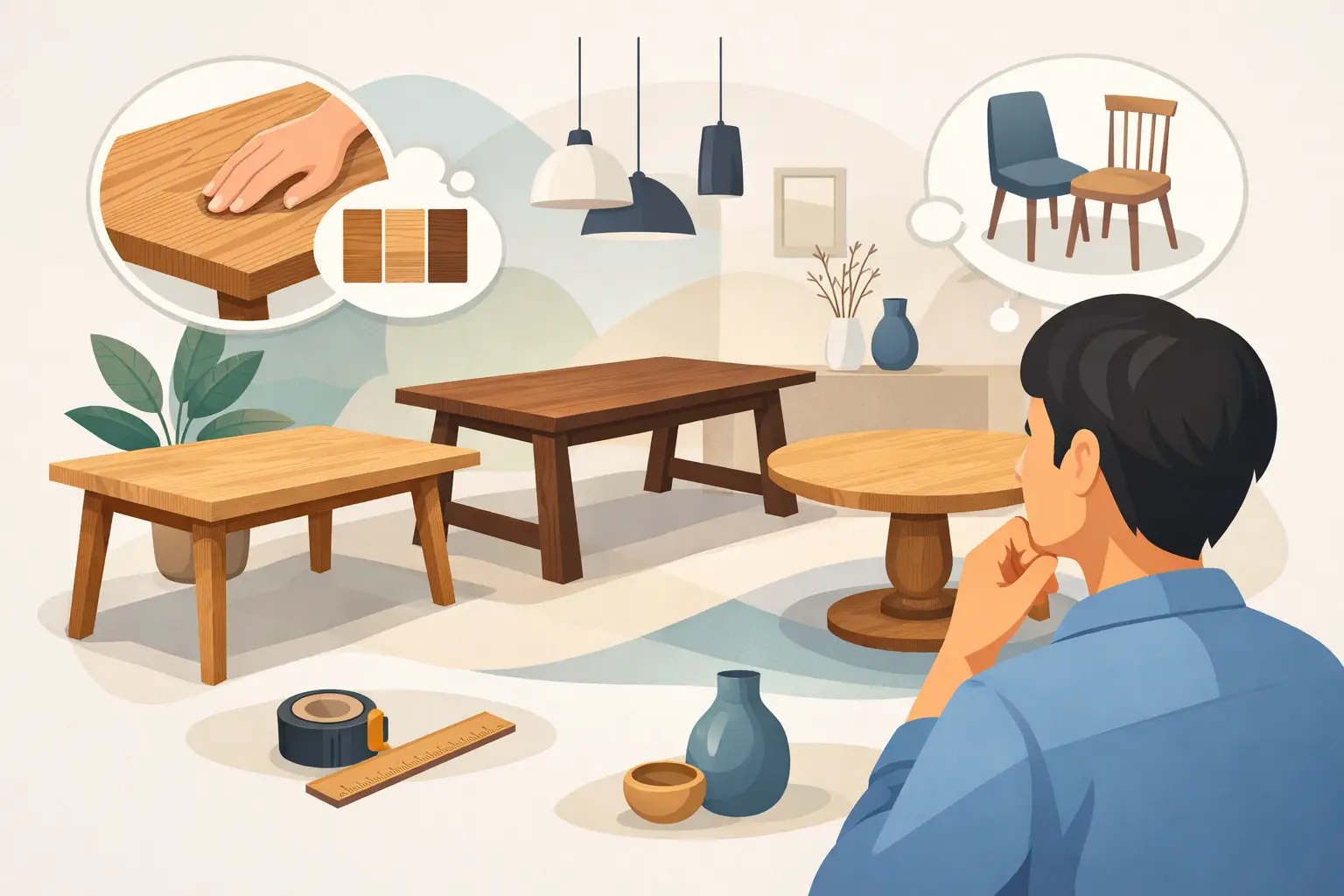
A solid wood dining table changes the feel of a room faster than almost any other furniture purchase. It is where weeknight dinners, holiday hosting, laptop hours, and last-minute catchups all happen – so the right choice needs to do more than look beautiful in a product photo. It should bring warmth, presence, and lasting quality into everyday life.
For design-conscious shoppers, this is usually the moment when quick-fix furniture stops making sense. Veneers can photograph well, and engineered materials have their place, but solid wood offers a kind of substance that reads instantly. The grain has depth, the weight feels reassuring, and the table tends to age with more character instead of less.
Why a solid wood dining table stands apart
There is a reason solid wood remains the benchmark in premium dining furniture. It delivers a level of authenticity that mass-market pieces often imitate but rarely match. Each tabletop has natural variation in grain, color movement, and texture, which means the finished piece feels individual rather than factory-flat.
That difference is not only aesthetic. A solid wood dining table is typically better equipped for long-term use because the material can often be refinished, repaired, or restored over time. Minor dents, surface wear, and shifts in sheen do not necessarily signal the end of the table’s life. In many cases, they become part of its story.
That said, solid wood is not the right choice for every buyer in every situation. It tends to cost more upfront, and it responds to humidity and temperature in ways synthetic materials do not. If you want a dining table that feels elevated, substantial, and worth keeping for years, those trade-offs are usually well worth it.
Start with the room, not the table
Many shoppers fall in love with a design before measuring the space properly. That is usually where regret starts. A table can be perfectly crafted and still feel wrong if it crowds the room or leaves too little clearance around chairs.
A good rule is to leave enough space for movement on all sides, especially if the dining area is part of an open-plan kitchen or a busy family layout. You want room to pull chairs out comfortably and still walk behind them without making the space feel compressed. In smaller apartments or breakfast areas, a round or oval table often creates better flow than a rectangular one.
The shape matters as much as the footprint. Rectangular tables feel classic and work well in long rooms. Round tables encourage conversation and soften boxy layouts. Oval silhouettes offer a refined middle ground – generous seating with a less rigid visual profile. If your room gets heavy with straight lines, solid wood in a rounded form can make the entire space feel more inviting.
Choosing the right wood species
Not all solid wood dining tables wear the same over time. The species affects durability, color, grain pattern, and the overall mood of the room.
Oak is a perennial favorite because it balances resilience with timeless style. It has visible grain, broad design versatility, and enough character to suit both modern and traditional interiors. Walnut feels richer and more tailored, usually with deeper brown tones and a smoother, more sophisticated appearance. It is ideal when you want a dining room to feel elevated without being overly formal.
Maple tends to look cleaner and lighter, which works beautifully in contemporary homes or Scandinavian-inspired spaces. Acacia often shows stronger natural variation and a more expressive grain, making it popular for statement tables with a slightly organic edge. Mango wood can also be a compelling option for shoppers who want warmth and distinctive patterning at a more accessible luxury price point.
The best choice depends on how you want the room to feel. If your home leans airy and minimal, lighter woods can keep the space open. If you prefer a grounded, designer look, darker woods bring more visual depth. There is no universal winner – just the right material for your layout, style, and lifestyle.
Finish matters more than most people expect
The finish determines a large part of how your table looks day to day and how much maintenance it asks from you. Matte and low-sheen finishes tend to feel more current and relaxed, especially in homes where the dining area is used constantly. They hide fingerprints better and let the wood’s natural texture show through.
A smoother, more polished finish can feel formal and refined, but it may show scratches or water marks more easily depending on the product. If your dining table doubles as a family work surface, craft station, or homework hub, practicality should lead the decision.
This is where honest trade-offs matter. A dramatic dark finish can look striking in a styled interior, yet it may reveal dust and surface wear faster. A very natural finish feels effortless and high-end, but some homeowners expect it to behave like plastic, and it will not. Solid wood asks for a little care in return for its depth and beauty.
Construction details worth paying attention to
A premium table should look beautiful from across the room and feel thoughtfully made up close. Joinery, tabletop thickness, edge profile, and base design all contribute to that impression.
A substantial top often gives a table more architectural presence, though thicker is not always better if the room is compact. Tapered legs can feel lighter and more versatile, while pedestal bases make it easier to seat more people without leg interference. Plank-style tops bring texture and character, while smoother continuous surfaces feel more tailored.
Extension features are another smart consideration. If you entertain often but do not want a large footprint every day, an extendable solid wood dining table offers flexibility without sacrificing quality. The best versions maintain a cohesive look both open and closed. If the extension mechanism feels like an afterthought, the elegance disappears quickly.
Matching the table to your lifestyle
The most satisfying furniture choices are rarely based on trend alone. They work because they fit the rhythm of your home.
For families with children, durability and finish resilience should lead. Slightly distressed or textured wood can be especially forgiving, since it hides minor wear better than ultra-sleek surfaces. For frequent hosts, size and seating flexibility matter more. If your dining area is also your design showcase, sculptural bases, rich wood tones, and clean silhouettes can create the statement you want without relying on excessive decoration.
Apartment dwellers and professionals often need one piece to do several jobs. In that case, the ideal table should be compact enough for daily comfort but polished enough to anchor the room. A well-chosen solid wood dining table can handle dinner, remote work, and entertaining while still looking intentional.
Styling a solid wood dining table without overdoing it
Solid wood already brings texture and visual interest, so styling should support the table rather than compete with it. A simple centerpiece, sculptural bowl, or low arrangement usually does more than a crowded display. Let the grain remain visible.
Chairs do not need to match exactly to feel luxurious. Upholstered dining chairs can soften the look and add comfort, while mixed materials like metal or woven seats introduce contrast. If the table has strong natural grain or a heavier profile, cleaner chair lines often create a more balanced result.
Lighting is what completes the scene. A pendant centered above the table gives the area definition and makes the furniture feel anchored. If the table is the investment piece, lighting should frame it, not distract from it.
What to expect over time
One of the most appealing things about solid wood is that it does not stay frozen in time. It develops a lived-in quality that many premium buyers prefer to the static perfection of synthetic surfaces. Grain may deepen visually, color may mellow slightly, and subtle marks from use can make the piece feel more personal.
Of course, care still matters. Coasters, placemats, and quick cleanup after spills go a long way. Direct heat and standing moisture are common trouble spots. Seasonal movement can happen as the wood responds to indoor conditions, and that is normal to a point.
For shoppers who want furniture that feels curated rather than disposable, this is part of the appeal. A solid wood dining table is not meant to be treated like a temporary fix. It is a foundational piece – one that brings craftsmanship, comfort, and quiet sophistication into the room every single day.
If you are choosing with both style and longevity in mind, buy the table that fits your space honestly, suits your routines, and still feels special each time you walk by it. That is the kind of upgrade you notice long after the delivery day excitement fades.









Leave a comment