Best Pet Grooming Vacuum for a Cleaner Home
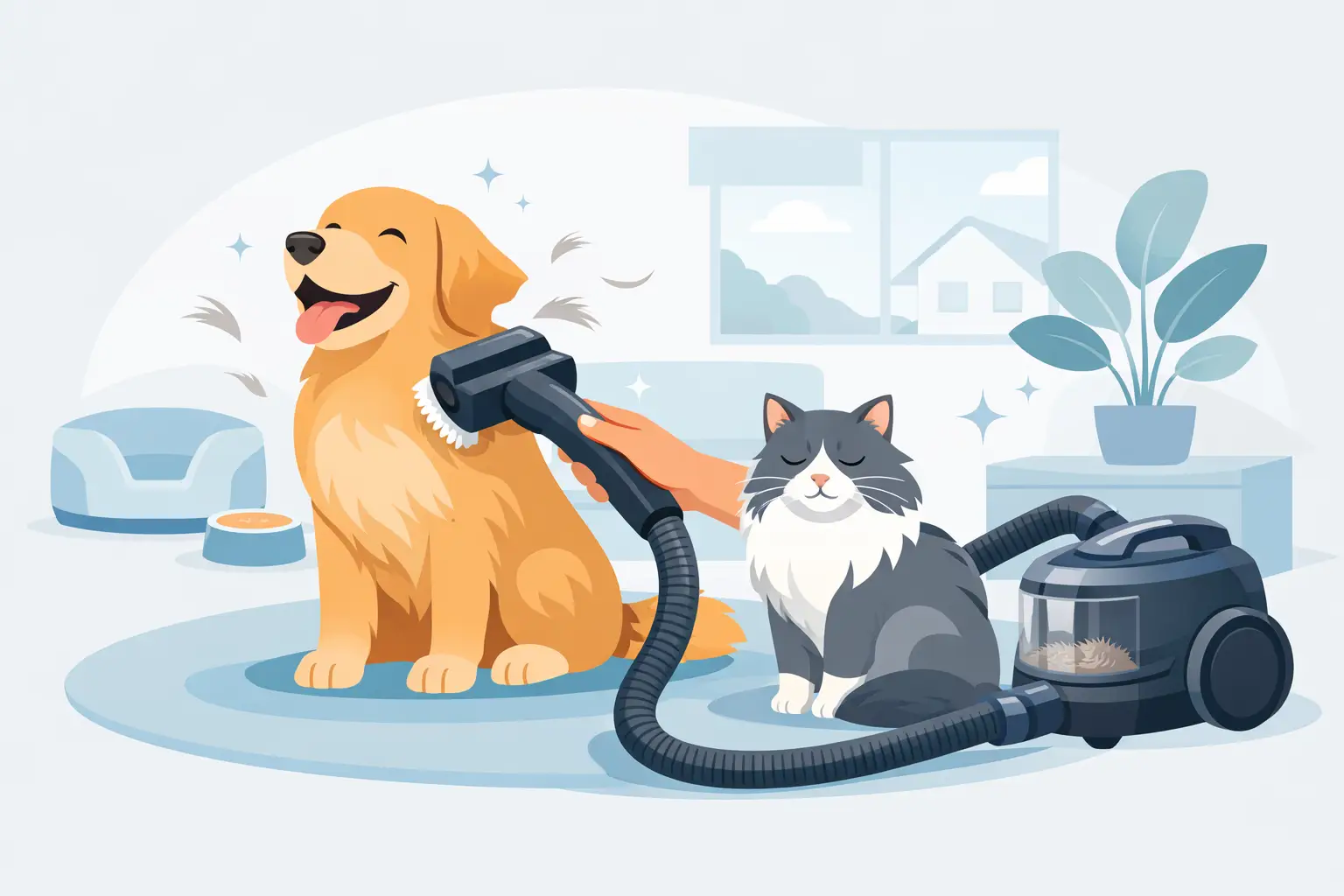
A beautiful home and a well-loved pet should never feel like competing priorities. The best pet grooming vacuum brings coat care and cleanup into one refined routine, capturing loose hair before it settles into upholstery, rugs, bedding, and every sunlit corner of the room.
For homes with shedding dogs or cats, this is more than a clever accessory. A grooming vacuum can make brushing calmer, reduce the daily sweep of fur, and keep the spaces you have thoughtfully furnished looking as polished as they should. The right model is not necessarily the one with the most attachments or the strongest marketing claim. It is the one that suits your pet’s coat, your tolerance for noise, and the way your home is lived in.
What Makes the Best Pet Grooming Vacuum?
A pet grooming vacuum combines a conventional clipper or brush system with a collection hose and dust bin. As you brush or trim, loosened fur is pulled directly into the unit rather than released into the air. That distinction matters most during seasonal shedding, when even a short grooming session can leave a visible layer of hair behind.
The best options balance controlled suction with comfortable handling. Excessive suction may make a noise-sensitive pet uneasy, while weak suction leaves fur floating around the grooming area. Look for adjustable settings so you can begin quietly and increase power only when your pet is relaxed. For a first-time grooming vacuum, a gentle low setting is often the feature that gets used most.
Capacity deserves more attention than it usually receives. A compact bin can be perfectly suitable for a short-haired cat or a small dog, but a Golden Retriever, Husky, German Shepherd, or multi-pet household will fill a small container quickly. A larger, easy-empty bin keeps the session moving and limits repeated contact with collected dander and hair.
Start With Your Pet’s Coat and Temperament
The most suitable grooming setup depends on the animal in front of you. Long, double-coated breeds need a tool that can reach through the topcoat without tugging. A deshedding brush with rounded teeth is often the better choice for undercoat maintenance, while a pin brush or soft slicker may be more appropriate for longer, finer hair.
Short-haired pets can benefit from a softer brush that lifts loose hair and surface debris without overworking the skin. Cats, particularly, may prefer a quiet brush attachment and several brief sessions rather than one extended appointment. A vacuum that offers variable suction gives you room to build trust at your pet’s pace.
Clippers are useful, but they are not essential for every household. If your goal is simply to control shedding between professional grooming visits, prioritize brush quality, noise level, and suction management over a large clipper kit. If you maintain a doodle, poodle, Shih Tzu, or another coat that requires routine trimming, choose a system with multiple guard combs and blades designed for steady, snag-free cutting.
The Features Worth Paying For
Premium pet care is often about small details that make a routine easier to repeat. When comparing grooming vacuums, focus on the features that improve comfort, cleanliness, and long-term convenience rather than the number of pieces in the box.
A flexible hose gives you freedom to sit beside your pet instead of positioning them directly next to a machine. It is particularly useful for senior pets, large breeds, and animals who prefer grooming on their favorite mat or bed. A hose that is too short can make the entire process feel restrictive.
Low-noise performance is another high-value feature. No vacuum is silent, and claims should be viewed with reasonable skepticism, but a quieter motor can make a meaningful difference for anxious animals. It is wise to introduce the unit gradually: let your pet inspect it while switched off, run it from across the room, then begin with brief brushing on the lowest setting.
For versatile home care, a good kit should include a grooming brush, a deshedding tool, a narrow cleaning nozzle, and a fabric or upholstery tool. Those final two attachments transform the purchase from a grooming-only appliance into a practical answer for pet hair on sofa cushions, car interiors, stairs, and pet beds. A clipper attachment may be worthwhile if you will use it regularly, but it should not outweigh the quality of the core brushing tools.
Easy maintenance is part of the luxury experience. Choose a transparent bin that shows when it needs emptying, a filter that can be cleaned or replaced without fuss, and attachments that rinse or wipe down easily. Pet hair mixed with dander can become stubborn when left in a tool after use, so uncomplicated cleanup protects both performance and hygiene.
Grooming Vacuum vs. a Traditional Vacuum
A conventional vacuum remains essential for floor care, but it solves a different part of the pet-hair problem. It collects fur after shedding has already occurred. A grooming vacuum catches much of that hair at the source, which means less buildup on floors and soft furnishings between cleanings.
That said, a grooming vacuum is not a replacement for a high-quality household vacuum. It will not cover an entire room as efficiently, and its smaller collection system is designed around controlled grooming sessions rather than deep-cleaning a large area. The most considered approach is to use both: grooming at regular intervals, then use your main vacuum for finished floors, rugs, and upholstery.
There is also a practical distinction between a pet grooming vacuum and a standalone pet blower. A blower can be highly effective for drying and releasing an undercoat after bathing, especially for thick-coated dogs. It is generally louder and more specialized, however. For most indoor households seeking cleaner furniture and easier brushing, a grooming vacuum is the more approachable everyday choice.
How to Make the First Session Go Well
The finest equipment cannot compensate for rushing a nervous pet. Set up in a familiar, uncluttered room with a non-slip surface, and bring out a few treats if your pet responds well to positive reinforcement. Start by brushing with the vacuum turned off, allowing the animal to understand the sensation of the tool before adding sound.
Once the unit is running, keep the first session very short. Work in the direction of hair growth and avoid sensitive areas such as the ears, face, tail, and lower legs until your pet is fully comfortable. Never force a brush through mats or tangles. Dense matting needs patient work with the right comb, or professional assistance when it sits close to the skin.
A consistent schedule produces better results than an occasional marathon session. Short-haired pets may only need a quick weekly brush, while heavy shedders and longer coats may benefit from several sessions each week. During seasonal coat changes, increase frequency before fur begins taking over your living space.
A Smart Buying Checklist
Before choosing a pet grooming vacuum, make sure it meets these practical standards:
- Adjustable suction for different coat types and sensitive pets.
- A quiet or low-noise motor that supports gradual introduction.
- A brush or deshedding tool suited to your pet’s coat.
- A bin large enough for your household’s shedding level.
- Useful cleaning attachments for furniture, pet beds, and cars.
- Filters and tools that are simple to empty and maintain.
Avoid choosing on price alone, especially if you have a large dog or more than one pet. An inexpensive unit that overheats, clogs often, or unsettles your pet is unlikely to become part of your routine. A thoughtfully designed model with the right tools can preserve your time, your upholstery, and the calm of grooming day.
The best choice is the one that your pet will tolerate and you will reach for consistently. Place it where it is easy to access, pair each session with reassurance, and let a cleaner coat become one of the quiet details that keeps your home feeling considered, comfortable, and ready to enjoy.












Leave a comment