Automatic Cat Litter Box Comparison Guide
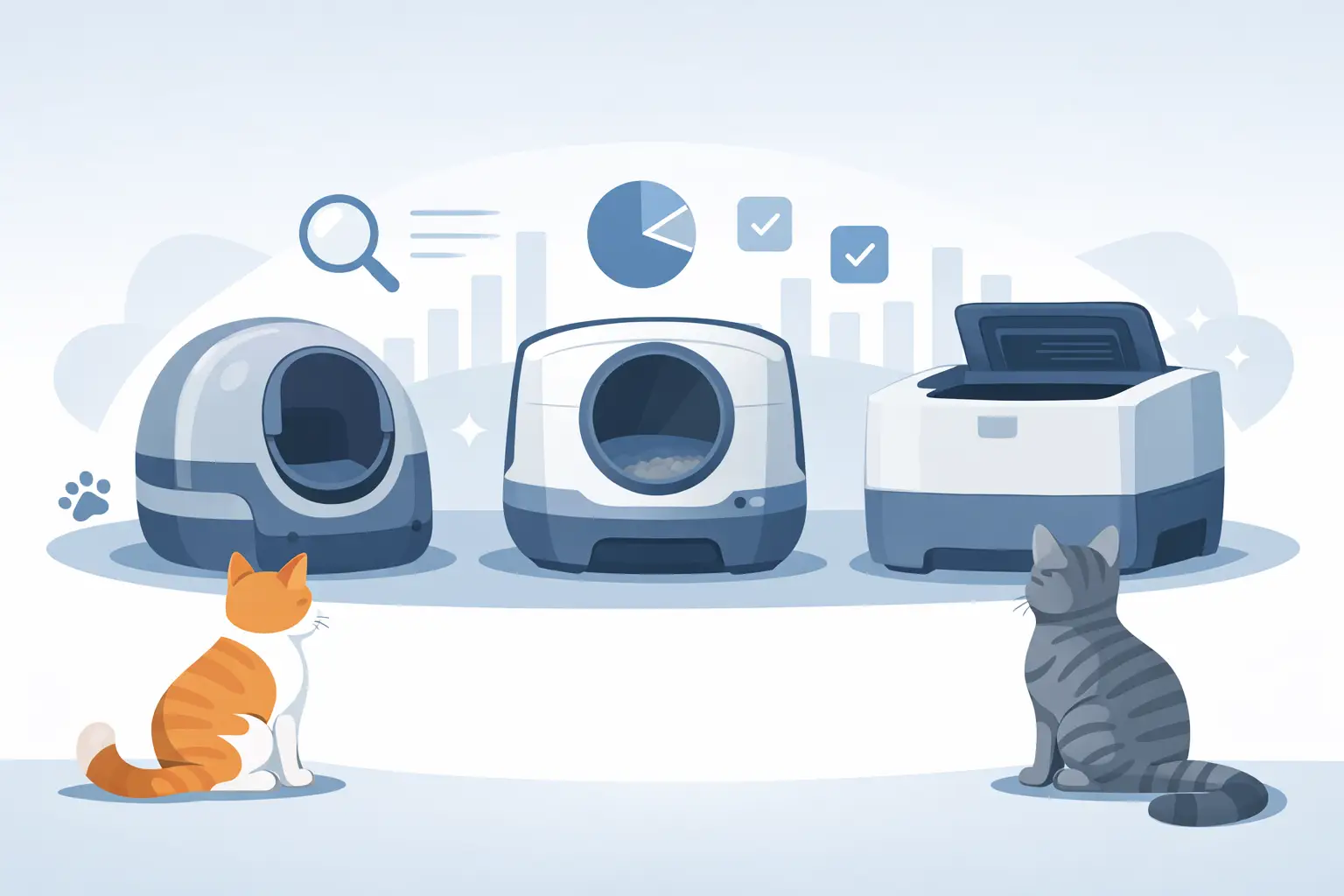
The best automatic cat litter box does more than spare you from a daily scooping routine. It can make a small apartment feel fresher, keep a polished laundry room more inviting, and give a busy household one less repetitive task to manage. This automatic cat litter box comparison focuses on the details that shape real satisfaction after the box is in your home: cleanup, odor control, cat comfort, footprint, and the ongoing cost of ownership.
A premium-looking unit is worth considering, but the right choice has to work for your cat first. The most refined setup is one your cat uses comfortably and you can maintain without turning a convenience upgrade into another weekly project.
Start With Your Cat, Not the Feature List
Automatic litter boxes are not one-size-fits-all. A compact, enclosed design can look beautifully discreet beside a cabinet, yet feel too tight for a large cat that likes room to turn. An open-top model may be less visually hidden, but it is often easier for a senior cat, a kitten, or a cautious cat to accept.
Before comparing sensors, apps, and cycle times, consider your cat’s size, mobility, habits, and temperament. Cats who spray may need higher walls or a covered entrance. Cats with arthritis benefit from a low step-in height. A large-boned cat needs a genuinely spacious litter bed, not simply a large exterior shell.
For multi-cat homes, capacity matters as much as size. A self-cleaning box can handle frequent use only if the waste drawer is generous, the cleaning cycle is dependable, and the machine is rated for the combined weight and routines of your cats. One cat that prefers to dig enthusiastically can also change the equation by sending more litter toward the edges of the chamber.
Automatic Cat Litter Box Comparison: The Core Designs
Most options fall into three practical categories: rotating globe systems, rake systems, and open self-sifting designs. Each offers a different balance of discretion, simplicity, and cat-friendly access.
Rotating globe systems
These enclosed units rotate after your cat exits, separating clumps from clean litter and dropping waste into a sealed drawer. Their main appeal is strong odor containment and a clean, design-forward profile that suits a more visible location in the home. Many include app controls, usage tracking, and alerts when the waste compartment needs attention.
The trade-off is that globe-style boxes can have a higher entry point and a more confined interior. They also tend to work best with the litter type specified by the manufacturer. If your cat dislikes covered boxes or is particularly large, confirm the interior dimensions rather than judging the unit by its exterior proportions.
Rake systems
Rake-style boxes use a motorized comb to pull clumps into a receptacle after a delay. They are usually familiar in shape, with a more traditional litter-pan layout, and many cats transition to them with less hesitation. They can be an appealing middle ground for shoppers who want automatic cleaning without a fully enclosed chamber.
Their limitation is litter compatibility and mess management. Rakes can struggle with very soft clumps, lightweight pellets, or litter that sticks to the base. Because the tray is often more open, they may not offer the same odor control or visual discretion as a rotating system.
Open self-sifting designs
Open self-sifting boxes use a spinning or shifting base to screen waste from litter. Their low, open access often makes them especially attractive for senior cats and cats that resist covered spaces. They also allow you to see the litter level at a glance, which can make routine care feel straightforward.
The open format is not ideal for every room. It can leave more litter visible and may require a thoughtfully placed mat to catch tracking. For a utility room, mudroom, or dedicated pet corner, however, this style can offer an excellent blend of comfort and easy maintenance.
What Actually Determines a Better Everyday Experience
The cleaning mechanism gets the attention, but five quieter details usually decide whether an automatic box feels like a worthwhile upgrade.
Odor control is a system, not a single feature
A sealed waste drawer, carbon filtration, fast cleaning cycle, and compatible clumping litter all contribute to odor control. No automatic box eliminates the need to empty waste regularly. A full drawer will eventually overpower even the most sophisticated enclosure.
If the litter box sits near a living area, prioritize a model with a well-sealed waste compartment and a cleaning cycle that activates reliably after each visit. In a ventilated garage or dedicated pet space, you may be comfortable choosing a more open design that favors easy access instead.
Safety sensors should be non-negotiable
Every automatic model should pause when a cat enters, approaches, or places weight on the unit. Look for multiple layers of protection rather than a single basic weight sensor, particularly with a curious kitten or a home with cats of different sizes.
It is also wise to supervise the first several cycles. Let your cat observe the motion from a comfortable distance, and avoid forcing an introduction. A machine that is safe on paper still needs to feel predictable to the animal using it.
Noise influences adoption
A quiet cleaning cycle is more than a luxury. A sudden mechanical sound can make a sensitive cat avoid the box, especially if it begins cycling immediately after they exit. Adjustable delay settings give your cat time to leave the area before the cleaning starts.
Place the unit on a level surface away from food and water, and avoid a high-traffic hallway if your cat prefers privacy. A calmer placement can solve more problems than an extra app setting.
The waste drawer should be easy to live with
Look beyond how much the drawer claims to hold. Consider whether it slides out cleanly, whether bags are simple to secure, and whether the design leaves room for accidental spills when you remove it. Premium convenience should feel polished at the least glamorous moment of ownership.
Some units use proprietary liners, while others accommodate standard bags. Proprietary systems can create a neater fit; standard bags may lower recurring costs. Neither is automatically better. The right choice depends on whether you value a tailored, low-fuss setup or greater flexibility at refill time.
Apps are useful, but not essential
App-connected boxes can provide visit logs, drawer-full notifications, and remote settings. These features are particularly helpful for multi-cat households or for spotting changes in a cat’s bathroom habits. They should not be the sole reason to choose a model.
A dependable manual control panel, clear status lights, and uncomplicated cleaning access matter more. Technology should make pet care easier, not create another device that demands troubleshooting.
Measure the Space Twice
An automatic litter box often needs more clearance than its product dimensions suggest. Rotating units may require open space behind or beside them for movement, while waste drawers need room to pull forward. Add space for a litter mat, cleaning access, and a comfortable path for your cat to enter and exit.
For apartments, a quiet enclosed unit can be an elegant fit in a bathroom or laundry nook, provided airflow is adequate. In larger homes, the best location is often near your cat’s established litter area, not necessarily the most hidden corner. Moving the box too far from a familiar routine can make the transition harder.
If you are replacing a standard pan, keep the old box nearby during the first days. Fill the automatic box with the same litter your cat already knows, leave it powered off initially, then introduce automatic cycles once they are using it confidently.
Budget for Ownership, Not Just the Box
Purchase price is only part of the equation. Factor in liners, filters, recommended litter, replacement parts, and power use. A higher-priced model may be better value if it reduces litter waste, contains odor effectively, and has components designed for easy replacement. A lower upfront price can lose its appeal if it requires costly accessories or frequent deep cleaning.
Warranty coverage deserves attention as well. Automatic boxes contain motors, sensors, and moving parts, so a clear warranty and accessible support are meaningful signs of a considered purchase. For a premium home, reliability is part of the design standard.
Match the Box to Your Household
Choose a spacious open or low-entry self-sifting model for an older cat, a mobility-limited pet, or a cat that rejects covered spaces. Consider a rotating enclosed unit if odor control, visual discretion, and a more elevated appearance are your priorities. A rake system can be a sensible choice when your cat prefers a familiar tray-style layout and you want a less dramatic transition.
For homes with multiple cats, favor generous capacity, strong safety detection, and a waste drawer you can empty without mess. For a single cat in a compact apartment, quiet operation and a restrained footprint may matter more than the most extensive app features.
The right automatic litter box should make your home feel more considered, not more complicated. Choose the model that respects your cat’s preferences, fits naturally into your space, and leaves you with more time for the parts of pet ownership that are actually enjoyable.










Leave a comment