Best Espresso Machine for Home Barista Style
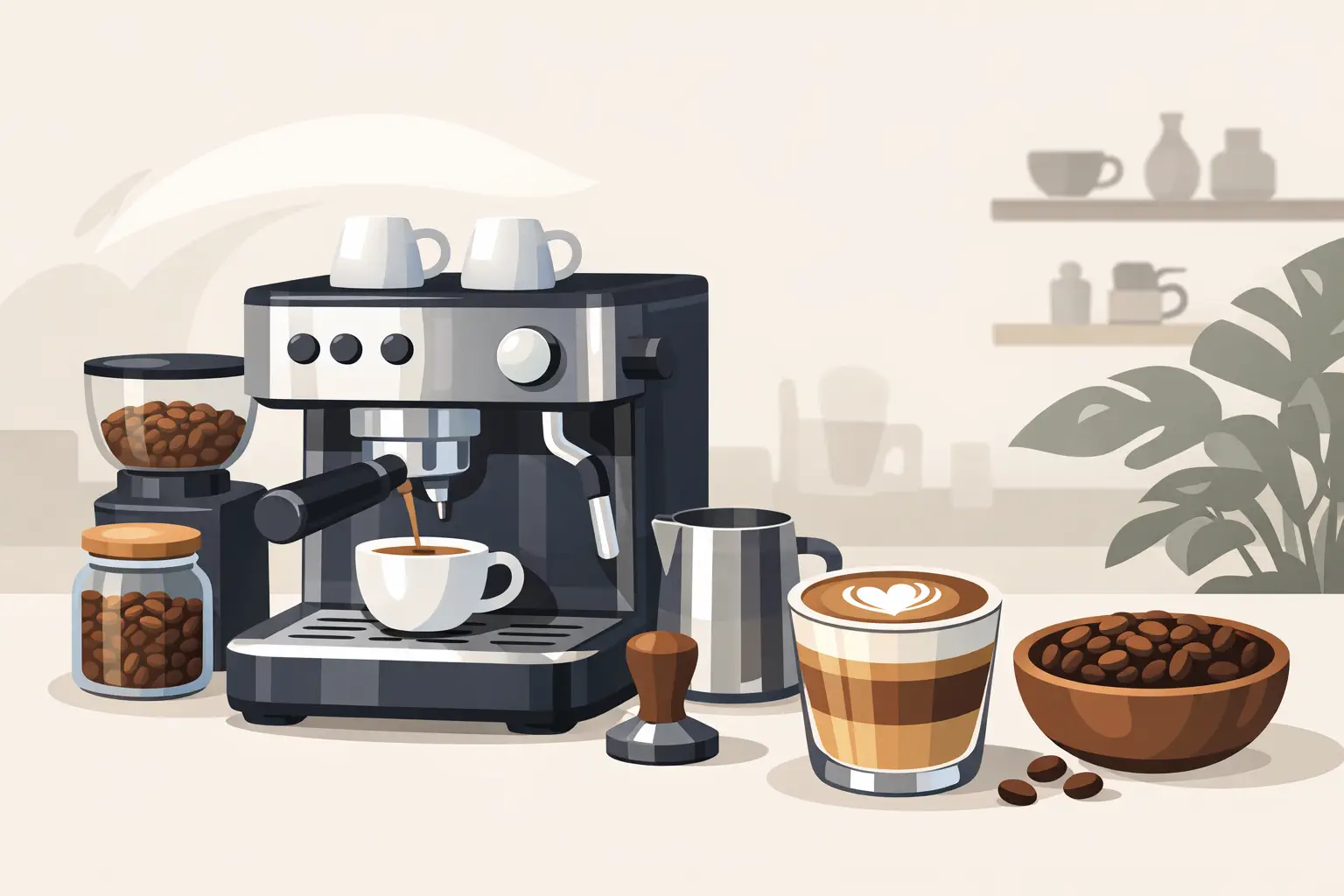
The difference between a rushed kitchen coffee and a café-worthy morning ritual often comes down to one countertop decision. The right espresso machine for home barista use gives you more than a concentrated shot of coffee: it brings precision, theater, and a polished daily luxury to the place where your day begins.
For design-conscious homes, the goal is not simply to buy the most complicated machine available. It is to choose a beautiful, capable piece that fits your drink preferences, counter space, schedule, and appetite for hands-on craft. A well-chosen machine can turn a weekday latte, a quiet Saturday cappuccino, or an after-dinner espresso into a small ritual worth lingering over.
What Makes an Espresso Machine Worth Bringing Home
A premium espresso machine earns its place by giving you repeatable control over the variables that shape flavor: water temperature, pressure, dose, and extraction time. Proper espresso is produced by forcing hot water through finely ground coffee under pressure. When those elements are balanced, the cup has sweetness, body, aromatic complexity, and a rich layer of crema.
But performance alone is not the whole story. Home appliances live in view. A machine with considered proportions, a clean control layout, durable metal finishes, and a satisfying tactile feel can elevate the entire coffee station. Look for a design you will be happy to see every morning, rather than an oversized gadget you feel compelled to hide.
The best choice also respects your routine. Someone who wants a double espresso before leaving for work has different needs from the person who enjoys dialing in a new roast on a slow Sunday. There is room for both convenience and craft, provided the machine supports the way you actually live.
Choosing an Espresso Machine for Home Barista Rituals
Start with the drinks you make most often. If espresso and Americanos are your usual order, prioritize stable brewing temperature, a responsive pump, and a portafilter that feels substantial in hand. If your household revolves around cappuccinos, lattes, and flat whites, the steam system deserves equal attention. Good microfoam should be glossy and fine-textured, not a pile of large, dry bubbles.
Manual, semi-automatic, or fully automatic?
Manual and lever machines appeal to coffee enthusiasts who enjoy a more involved process and a distinctive visual statement. They can be remarkably rewarding, but they ask for patience and consistency. They are best for shoppers who see espresso preparation as a hobby as much as a convenience.
Semi-automatic machines offer the most balanced route for many aspiring home baristas. You grind and dose the coffee, tamp it, lock in the portafilter, and start the extraction, while the machine manages pressure and water delivery. This format gives you meaningful control without turning every cup into a technical project.
Fully automatic and super-automatic machines handle grinding, dosing, brewing, and often milk preparation at the touch of a button. They are a refined answer for busy households that value speed, consistency, and a clean counter. The trade-off is less hands-on control and, on some models, less flexibility to adjust each shot. For many professionals, that trade-off is more than worthwhile.
Do not overlook the grinder
An exceptional espresso machine cannot compensate for stale or unevenly ground coffee. If your chosen machine does not include a capable burr grinder, reserve part of your budget for one. Burr grinders produce more uniform particles than blade grinders, which helps water move through the coffee evenly and makes flavor easier to refine.
Fresh grinding is one of the most noticeable upgrades you can make. Espresso is especially sensitive to grind size: too coarse, and the shot may taste thin and sharp; too fine, and it can become slow, bitter, and heavy. A grinder with fine adjustment allows you to respond to different beans, humidity levels, and your preferred flavor profile.
Built-in grinders offer an uncluttered, all-in-one setup, especially useful in apartments or smaller kitchens. A separate grinder offers more flexibility and can make future upgrades easier. Neither choice is automatically superior. The better option is the one that suits your space and how much equipment you want on display.
Features That Shape the Daily Experience
It is easy to get distracted by long feature lists. Focus instead on the details that improve every drink and simplify every cleanup.
A stable heating system is a meaningful luxury. Thermoblock machines heat quickly and are excellent for fast, everyday service. Single-boiler machines can produce excellent coffee but may require a brief pause between brewing espresso and steaming milk. Dual-boiler and dual-heating systems allow both tasks at once, making them particularly appealing for households that prepare several milk drinks in a row.
A pressure gauge can be useful for shoppers who want visual feedback during extraction, though it is not essential for every user. Programmable shot volumes are more broadly practical, helping you create a consistent single or double espresso with less attention during busy mornings. A sizable removable water tank and drip tray also make ownership more pleasant, particularly if the machine will serve more than one coffee drinker.
For milk drinks, decide whether you prefer a traditional steam wand or an automatic frothing system. A steam wand provides the greatest control and can create the silky microfoam needed for café-style latte art. It takes practice, but the process becomes intuitive with repetition. Automatic systems offer beautiful convenience and are a smart choice when you want a dependable latte without a learning curve.
Size, Finish, and Countertop Presence
Measure before you shop. Account for the machine’s width and depth, but also leave clearance above it for filling beans or water and around it for using the steam wand. Consider where you will keep cups, a knock box, a grinder, and a small container for coffee tools. A composed coffee station feels intentional; a crowded one can make even a premium appliance feel inconvenient.
Finish matters because espresso machines often become the focal point of a kitchen or entertaining area. Brushed stainless steel is timeless, adaptable, and especially suited to contemporary kitchens. Matte black creates a more architectural, understated mood. Softer neutral finishes can bring warmth to light, modern spaces. Choose a finish that complements your hardware, lighting, and other countertop appliances without requiring everything to match exactly.
Do not confuse compact with compromised. Many thoughtfully engineered compact machines deliver satisfying espresso while preserving valuable work space. Conversely, a larger unit may be justified if it offers greater steam power, more capacity, or the presence of a true home coffee bar centerpiece.
Build a Better Coffee Routine Around It
Even a high-end machine performs best with a few good habits. Use freshly roasted beans stored in an airtight container, preferably away from heat and direct sunlight. Filtered water can improve flavor and reduce mineral buildup, particularly in areas with hard water. Wipe and purge the steam wand immediately after use, and empty the drip tray before it becomes an afterthought.
Cleaning is part of preserving both flavor and finish. Coffee oils accumulate in the portafilter and baskets, while milk residue can affect steam performance. Follow the manufacturer’s cleaning and descaling schedule rather than waiting for a warning light. A machine that is cared for consistently tends to make better coffee and retain its elevated appearance for years.
It also helps to begin with one coffee you love and learn it well. Choose a medium or medium-dark espresso roast, use the same dose for several days, and make small adjustments to the grind until the shot tastes balanced. Once you have a reliable baseline, experimenting with single-origin beans, lighter roasts, and different milk textures becomes much more enjoyable.
How Much Should You Spend?
Your budget should reflect the role coffee plays in your home. Entry-level machines can make enjoyable espresso and are a sensible choice for occasional drinkers. Mid-range models often offer a major step up in temperature consistency, steam performance, materials, and day-to-day durability. Premium machines are designed for people who value control, longevity, visual refinement, and the experience of preparing coffee as much as drinking it.
Remember to consider the complete setup. A quality grinder, tamper, milk pitcher, scale, and cleaning supplies can have a real impact on results. You do not need every accessory at once, but it is wise to leave room for the essentials rather than spending every dollar on the machine itself.
The most satisfying purchase is rarely the one with the most settings. It is the espresso machine that feels considered in your home, invites you to use it often, and turns an ordinary cup into a daily expression of good taste. Choose with your routine in mind, give yourself permission to learn, and let each well-made shot set a more refined pace for the day.










Leave a comment