Home Electronics Setup Guide for Better Living
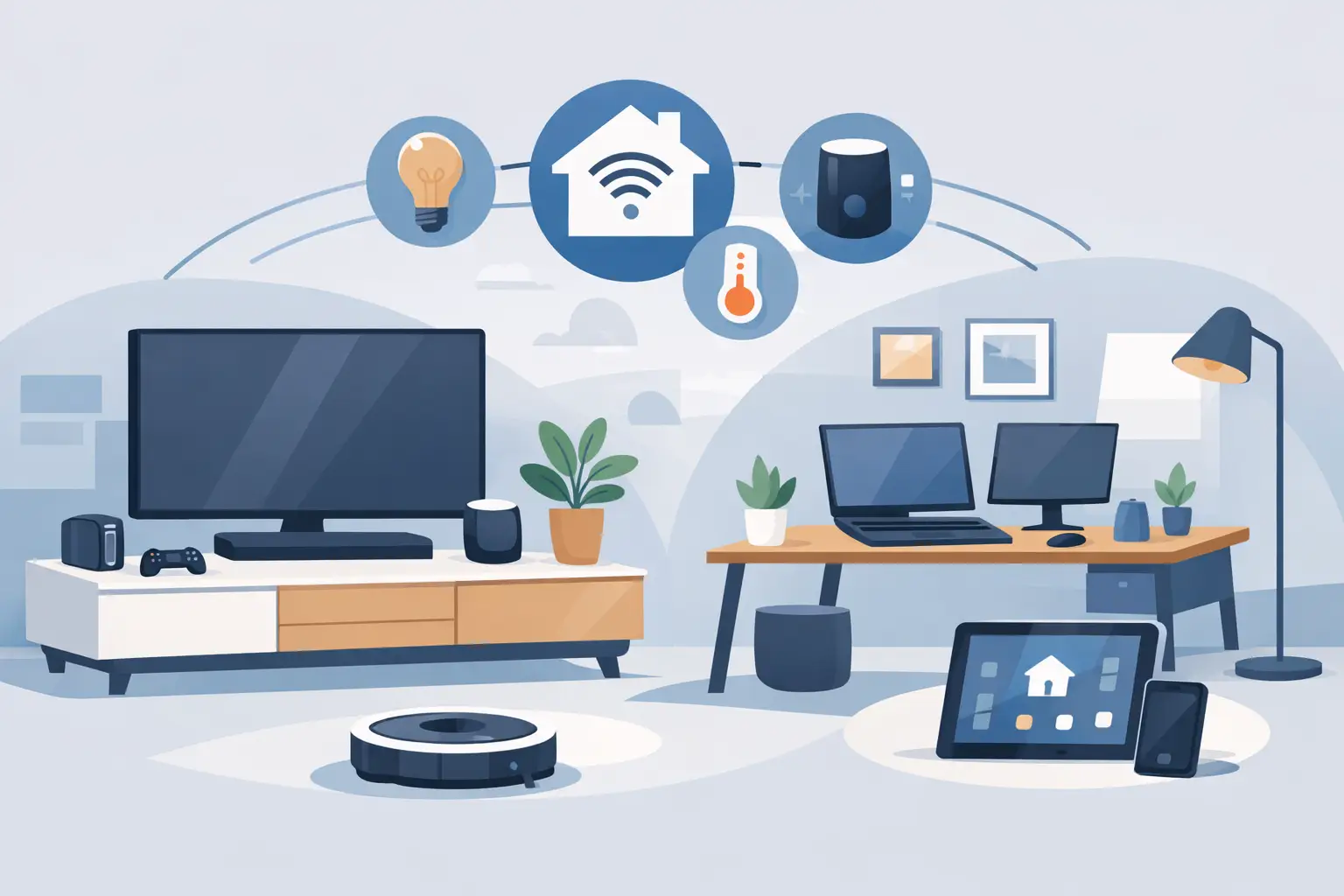
A well-chosen television can look exceptional in a showroom and still feel underwhelming at home if the viewing height is wrong, cables are visible, or the sound has nowhere to go. This home electronics setup guide approaches the room as a whole: a place where design, comfort, power, and performance should work together without competing for attention.
The goal is not to fill every surface with smart devices. It is to select technology that earns its place through better entertainment, calmer routines, and a more refined home environment. Whether you are equipping a first apartment, refreshing a family room, or designing a dedicated media space, thoughtful planning makes premium pieces feel even more considered.
Start Your Home Electronics Setup Guide With the Room
Before comparing screen sizes or speaker specifications, define how the room actually lives. A bright open-plan living area has different needs than a dark den. A kitchen counter may benefit from compact, easy-to-clean devices, while a bedroom calls for quiet operation and lighting that winds down with the evening.
Measure the wall, furniture, outlets, windows, and likely cable paths. Also consider sightlines from the sofa, dining table, or bed. The most polished setup is rarely the one with the most equipment. It is the one that feels intentional from every place you sit.
For a primary television, screen size should relate to viewing distance rather than wall space alone. A larger display creates a more immersive result, but only when the seating position supports it. Leave enough room for a console, soundbar, ventilation, and an installation that does not make the screen look crowded.
If your room has strong daylight, prioritize a bright display and consider glare from windows at different times of day. In a darker media room, contrast, black levels, and controlled lighting may matter more. This is where a dedicated home cinema feel can justify a more cinematic screen and layered audio.
Build Around a Reliable Power and Network Foundation
Premium electronics deserve a foundation that protects them. Start with properly placed surge protection, especially for televisions, gaming systems, desktop equipment, routers, and larger appliances. A basic power strip may add outlets, but it is not always the same as meaningful protection against power fluctuations.
Avoid overloading a single outlet or hiding extension cords under rugs. If a room needs more capacity, the elegant answer may be better outlet placement or a professionally installed solution. High-draw equipment such as heaters, generators, and major kitchen appliances should always follow manufacturer guidance and local electrical requirements.
Your network matters just as much. Streaming in high resolution, smart home controls, video calls, and connected cameras all depend on consistent coverage. Place the router in an open, central location when possible, not inside a cabinet or behind a television. Larger homes may benefit from a mesh Wi-Fi system, while homes with thick walls or multiple floors may need wired connections for the most demanding devices.
Think of connectivity as part of the home’s infrastructure, not an afterthought. A beautiful entertainment setup loses some of its appeal when buffering interrupts movie night or a smart device drops offline at the wrong moment.
Create a Better Entertainment Center
A television is often the visual anchor of the living room, so its placement should look composed rather than improvised. Mounting can create a clean, gallery-like effect, but the center of the screen should generally sit near seated eye level. Mounting too high above a fireplace can lead to neck strain and make even an elegant display feel disconnected from the room.
A media console offers another compelling option. It grounds the screen, provides space for components, and makes future changes simpler. Choose a console wide enough to visually balance the television and deep enough to allow airflow around gaming consoles, receivers, and streaming devices.
Sound is the upgrade people notice after the picture is installed. A streamlined soundbar suits apartments and design-led rooms where minimal visual weight is the priority. A soundbar with a wireless subwoofer adds more presence for movies and music, although neighbors and nearby bedrooms may make a full bass setup less practical.
For a more immersive experience, a surround system creates distinct placement for dialogue, music, and effects. The trade-off is greater planning: speaker positioning, cabling, calibration, and furniture layout all become more important. If you want elevated sound without a visibly technical room, begin with a premium soundbar and expand only if the space truly supports it.
Keep Cables Out of the Conversation
Visible cords can make expensive electronics look temporary. Plan cable management before installation, not after. Use a console with rear access, labeled cable ties, and a discreet raceway where needed. Leave a little service slack behind equipment so you can reach ports without dismantling the entire setup.
Label both ends of power, HDMI, Ethernet, and speaker cables. It takes minutes during setup and saves real frustration when replacing a device, resetting a connection, or troubleshooting months later. For wall-mounted televisions, in-wall cable routing can deliver the cleanest finish, but it should be completed safely and appropriately for the wall type.
Choose Smart Home Features With Purpose
Smart home technology is most valuable when it removes small points of friction. A connected thermostat can refine comfort schedules. Smart lighting can shift a room from productive daylight to relaxed evening warmth. A video doorbell or camera can offer a useful view of deliveries and entry points.
The temptation is to buy every device with an app. Instead, begin with two or three routines that would genuinely improve your day. For example, a “good night” routine could turn off common-area lights, adjust the thermostat, and confirm that doors are secured. A movie routine could dim compatible lighting and power on entertainment devices.
Choose products that work well within the same ecosystem, but do not sacrifice product quality just to keep every device under one brand. Compatibility is useful; long-term reliability and a design you enjoy living with are better reasons to buy. Review privacy settings, enable strong passwords, and keep device firmware updated, especially for cameras, locks, and voice-controlled equipment.
Give Every Zone Its Own Job
Not every room needs the same level of technology. Treat each zone according to its purpose. In the kitchen, a compact display, coffee appliance, or speaker may support morning routines without taking over valuable counter space. In a home office, prioritize task lighting, a dependable monitor, a webcam position that flatters rather than distracts, and power access that keeps the desk clear.
Bedrooms benefit from restraint. A charging station, soft bedside lighting, and perhaps a discreet speaker can add comfort, while bright screens and notification-heavy devices may work against rest. In outdoor areas, select weather-rated speakers, lighting, and power solutions designed for the conditions rather than bringing indoor electronics outside as a permanent fix.
For wellness spaces, such as a spa-inspired bathroom or recovery corner, water resistance and electrical safety are nonnegotiable. Keep devices rated for the environment and place them well away from water sources. Luxury should feel effortless, never risky.
Finish With Calibration and Everyday Editing
Setup is not complete when a device turns on. Take time to adjust television picture modes, motion settings, dialogue clarity, speaker levels, and brightness for the room. Many televisions ship in vivid retail modes that are designed to stand out under store lighting, not to create a natural picture at home.
Then edit. Remove unused apps from the main screen, reduce unnecessary notifications, and organize remotes or controllers in one accessible place. A universal remote or smart control can simplify a busy media area, but only if everyone in the household can use it comfortably.
Finally, leave breathing room. Technology looks more premium when it is not crowded by décor, stacks of accessories, or a nest of charging cables. Curated pieces from Viridin can help bring function and visual refinement into the same frame, but the strongest result comes from choosing less, choosing well, and giving each item a clear role.
A home should not make you think about its electronics every time you walk in. When the lighting suits the moment, the sound feels full, the network holds steady, and the visual details stay quiet, the space is free to do what it should: make everyday living feel exceptionally considered.










Leave a comment