Best Automatic Pet Feeders for Elevated Routines
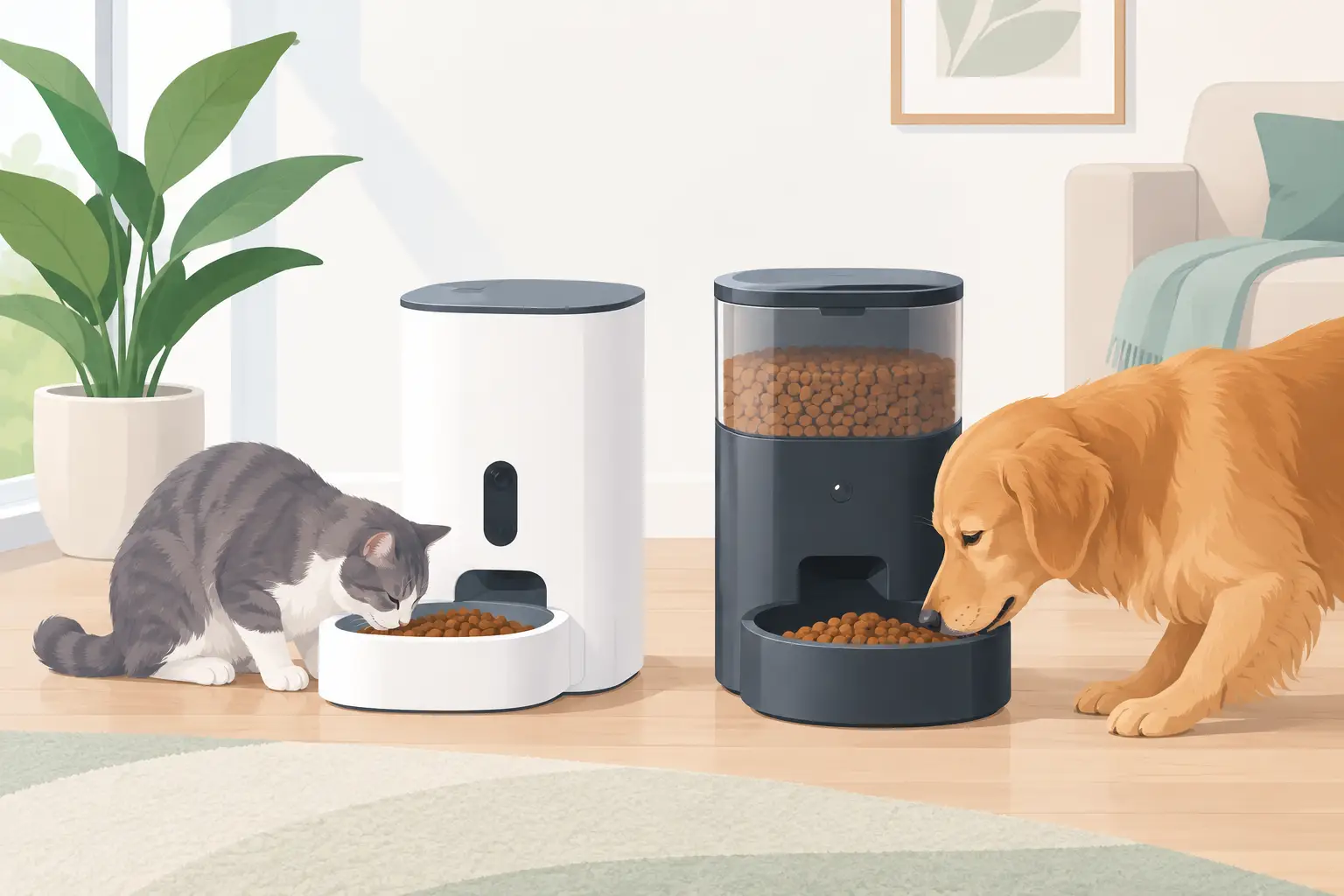
A rushed morning should not mean a disrupted breakfast for the pet who waits by the bowl at precisely 7:00 a.m. The best automatic pet feeders bring calm, consistency, and a more polished rhythm to daily care – whether you are commuting, traveling for a weekend, or simply protecting a routine that works for everyone at home.
A feeder is not a replacement for attention, fresh water, or a watchful eye. It is a practical upgrade that takes one repetitive task off your plate while helping cats and dogs receive measured meals on schedule. For design-conscious pet owners, the right choice also belongs in the home: reliable enough for everyday use, thoughtfully made, and discreet enough to suit a refined kitchen, mudroom, or pet station.
What the Best Automatic Pet Feeders Do Well
The strongest feeders solve a simple problem without creating new ones. They dispense the right food, at the right time, with controls that are easy to adjust and a storage system that keeps dry kibble fresh. That sounds straightforward, but the details separate a dependable purchase from a frustrating one.
Start with portion precision. For a cat that grazes too freely or a small dog that needs tightly managed meals, small portion increments matter. A feeder that dispenses only broad, oversized servings may undermine the very routine you are trying to improve. Look for programming that lets you set multiple meals and adjust individual servings rather than forcing one schedule across the entire day.
Reliability matters just as much. A premium-looking unit is not especially useful if a jammed chute, loose lid, or drained battery leaves your pet waiting. Models with a secure food hopper, an anti-clog design, and battery backup offer greater peace of mind, particularly when a power outage occurs while you are away.
Finally, think about daily living. A feeder should be simple to refill, easy to clean, and stable enough that a determined pet cannot tip it over. The most appealing features are often the least flashy: a removable stainless steel bowl, a clear food-level window, controls that do not reset easily, and a lid that helps keep curious paws out.
Choose a Feeder Around Your Pet, Not the Feature List
Automatic feeders are not one-size-fits-all. The ideal model depends on your pet’s size, eating habits, food type, and relationship with meal time.
For cats who need structure
Many cats benefit from smaller, scheduled meals spread across the day. This can help reduce early-morning demands, discourage overeating, and support a steadier routine in multi-pet households. A compact dry-food feeder with precise portions is often the most practical fit.
If your cat eats wet food, a rotating tray feeder with covered compartments is the better category. Some include ice packs to help preserve food for several hours. These designs are useful for a workday or an occasional evening out, but they require more frequent cleaning and are not designed to hold meals for days at a time.
For small and medium dogs
Dogs often do well with a hopper feeder that offers scheduled breakfast and dinner, plus a smaller midday serving if needed. Prioritize a capacity that matches your dog’s consumption without storing kibble for an excessive amount of time. Freshness is part of quality, especially in warm or humid homes.
For food-motivated dogs, a lockable top and a weighted base are worth the investment. A clever dog can quickly learn where dinner comes from. If the feeder is easy to nudge, pry open, or knock over, convenience can turn into an all-you-can-eat event.
For large dogs and busy households
Larger dogs need a feeder built to dispense bigger portions consistently. Check the maximum serving size, not just the hopper capacity. A large bin is helpful, but it does not guarantee that the machine can deliver an appropriate meal in one programmed cycle.
In homes with more than one pet, feeding access is the real question. One shared feeder can invite food stealing, especially when pets have different diets or different calorie needs. Microchip-activated feeders can be a more tailored solution for pets that need protected access to prescription food, kitten food, or a carefully measured diet.
Smart Features Worth Paying For
Wi-Fi-connected feeders are appealing for good reason. App controls can let you adjust a schedule remotely, receive low-food notifications, and confirm that a meal has been dispensed. For professionals with variable schedules or frequent travelers, that visibility can feel genuinely reassuring.
Still, a smart feeder should be smart in useful ways, not merely connected. App access does not compensate for poor portion consistency, a difficult-to-clean hopper, or unreliable mechanics. Choose connectivity when it supports your real habits, such as late meetings, rotating work shifts, or coordinating pet care with a sitter.
A built-in camera may also be valuable for some households. It can offer a quick visual check-in and, on certain models, two-way audio. This feature is best viewed as a convenience rather than a substitute for supervision. It is especially helpful when paired with a dependable dispensing history in the app, so you can see both your pet and the meal record.
Other features deserve a more practical lens. Voice recording can be comforting for pets accustomed to hearing your call at dinner, though some animals ignore it entirely. Slow-feed settings are useful for pets that eat too quickly. Desiccant compartments and sealed lids help support kibble freshness, but they still do not make it wise to fill a hopper beyond what your pet will eat in a reasonable period.
The Details That Protect Daily Reliability
Before choosing among the best automatic pet feeders, measure the kibble you use. Large, irregular, oily, or unusually shaped pieces can cause problems in feeders designed for standard dry food. Product specifications may mention a compatible kibble size, and that detail deserves more attention than a sleek touchscreen or colorful app interface.
Cleaning is another non-negotiable. Food oils and crumbs collect in dispensing mechanisms over time, so choose a feeder with removable components and clear cleaning instructions. Stainless steel bowls are a strong choice because they are durable, easy to wash, and generally more refined than lightweight plastic dishes.
Power planning should be part of the purchase decision. A feeder that plugs into the wall is typically more consistent for daily operation, while battery backup protects the schedule during an outage. Battery-only feeders can work well in spaces without a convenient outlet, but check expected battery life and keep replacements on hand.
Consider where the feeder will live, too. Place it on a level surface away from moisture, direct sun, and high-traffic corners where it may be bumped. For pets that eat with enthusiasm, a silicone mat beneath the bowl can help contain crumbs and protect flooring without making the feeding area look makeshift.
A Better Way to Introduce an Automatic Feeder
Do not wait until the morning of a trip to introduce a new feeder. Set it up while you are home, first using it alongside your pet’s familiar bowl. Let your pet investigate the sound and movement, then serve a small scheduled portion while you are nearby.
Over several days, shift more meals to the feeder and watch for skipped feedings, hesitation, or attempts to access the hopper. This trial period also reveals whether the programmed portion matches what is actually dispensed. Count a few servings yourself, especially if your pet follows a veterinarian-recommended diet.
For a smoother transition, keep meal times consistent with your existing routine. The technology should support your household rhythm, not force your pet into a schedule that feels abrupt. Once the feeder has earned your confidence, it becomes one of those quiet home upgrades that makes daily life feel more considered.
When an Automatic Feeder Is Not the Right Answer
Automatic feeding is not ideal for every pet or every situation. Pets with medical conditions, sudden changes in appetite, or diets that require fresh preparation may need hands-on meal service and closer observation. Puppies, kittens, and pets recovering from illness also deserve more frequent check-ins than a feeder can provide.
It is also not a reason to leave a pet alone for extended periods without a care plan. Feeders can malfunction, water bowls can spill, and pets need companionship, exercise, and monitoring. Use automation to create a dependable routine, then pair it with attentive care.
A well-chosen feeder should make your home feel easier to run, not more complicated. Explore a premium pet-care selection with the same standards you bring to the rest of your space: thoughtful design, dependable function, and everyday comfort for the companion who makes home feel complete.











Leave a comment