How to Descale Espresso Machine Like a Pro
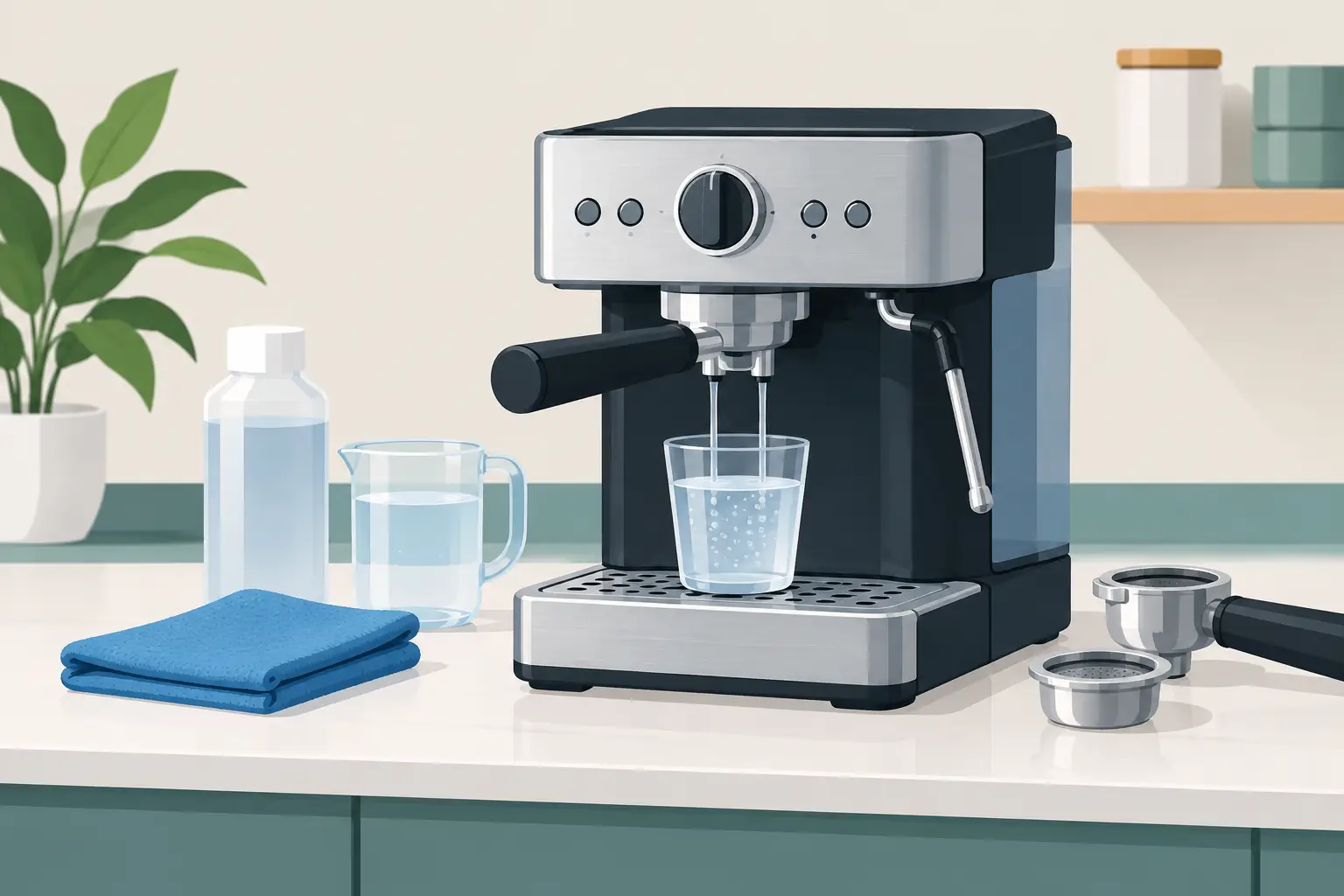
A beautiful espresso setup can lose its edge for a surprisingly small reason: mineral scale hiding inside the machine. If your shots are taking longer to pull, running cooler than usual, or tasting flat despite fresh beans, it may be time to learn how to descale espresso machine components properly. This simple maintenance ritual protects the performance behind your daily coffee and helps preserve the refined, café-quality experience you brought home.
Why Espresso Machines Need Descaling
Every time water moves through your espresso machine, it can leave behind minerals. Calcium and magnesium are naturally present in tap water, and when water is heated, those minerals can cling to the boiler, thermoblock, valves, pipes, and shower screen. Over time, this buildup is called limescale.
Scale restricts water flow and makes it harder for the machine to maintain the stable temperature and pressure espresso requires. That can mean a weak-looking crema, an under-extracted sour shot, inconsistent steam, or a machine that sounds more strained than usual. In more serious cases, mineral buildup can contribute to leaks, slow heating, and costly repairs.
Descaling is not the same as cleaning. Cleaning removes coffee oils and residue from parts that touch coffee, especially the portafilter, basket, brew group, and steam wand. Descaling targets mineral deposits inside the water system. A high-end machine needs both, because exceptional coffee depends on clean surfaces and precise water delivery.
How Often Should You Descale an Espresso Machine?
For most home espresso machines, descaling every two to three months is a sensible starting point when using regular tap water. If your area has hard water, you may need to descale monthly or every six to eight weeks. If you use filtered water designed for coffee equipment, the interval may be longer.
The best schedule depends on your machine, water source, and how often you brew. A household making two milk drinks every morning will build scale faster than someone pulling a few shots each week. Many modern machines also include a descale light or maintenance alert. Treat that alert as a prompt, not an inconvenience. It is there to protect the consistency and longevity of your investment.
Signs you should not ignore include slower brewing, lower water flow from the group head, weaker steam pressure, louder pump noise, a change in coffee temperature, or a persistent descale indicator. These can also point to other issues, so check your owner’s manual before assuming scale is the only cause.
What You Need Before You Start
Use a descaling solution made for espresso machines whenever possible. The right formula is designed to dissolve mineral deposits while being compatible with the metals, seals, and internal components in coffee equipment. Your machine’s manufacturer may recommend a specific product or concentration, and that guidance should always come first.
You will also need fresh water, a large container to catch the solution, and a clean cloth for wiping splashes. Remove coffee from the portafilter and empty the drip tray before starting. If your machine uses a water filter, check the manual. Some filters should be removed during descaling and replaced afterward, while others require a particular machine-guided process.
Avoid using straight vinegar unless your manufacturer explicitly approves it. Vinegar is inexpensive, but its acidity and strong odor can be a poor fit for certain internal systems. It can also leave behind a flavor that is difficult to rinse away. A purpose-made descaler is the more polished choice for a machine that anchors your kitchen routine.
How to Descale Espresso Machine Systems Step by Step
The exact button sequence varies by machine, particularly for superautomatic, dual-boiler, and capsule models. Always read your manual first. The process below is a reliable framework for many home machines.
1. Prepare the machine
Turn the machine on and let it reach its normal ready state unless the manufacturer says otherwise. Empty the drip tray, remove the water filter if instructed, and place a large heat-safe container under both the group head and steam wand or hot-water spout.
Mix the descaling solution with water according to its label. Do not guess at the ratio. A solution that is too weak may not remove buildup effectively, while an overly concentrated mix is unnecessary and may not align with your machine’s care instructions. Pour the mixture into the water tank.
2. Activate descale mode when available
Many premium automatic and semi-automatic machines have a dedicated descale cycle. Start it according to the manual, then let the machine run its programmed sequence. It may pause at intervals or ask you to move the container between the coffee outlet and steam wand. Follow those prompts carefully.
A machine-guided cycle is preferable because it sends solution through the routes where scale commonly accumulates. Do not interrupt the cycle unless the instructions tell you to refill the container or empty the catch vessel.
3. Run solution through manual machines carefully
If your espresso machine does not have a descale mode, run a small amount of solution through the group head as though you were brewing espresso, but without coffee in the basket. Then run some through the hot-water outlet or steam wand, if the manual permits descaling that route.
Pause for five to 10 minutes between short runs so the solution has time to work inside the system. Continue until roughly half the tank is used, then let the machine sit for the period specified by the descaler instructions. Avoid leaving solution in the machine for hours unless the manufacturer specifically directs it. Longer is not automatically better.
Finish by running the remaining solution through the system in short intervals. Keep an eye on the container, as the liquid can be hot.
4. Rinse thoroughly with fresh water
This is the step that protects the flavor of your next espresso. Empty and rinse the water tank, then fill it with fresh water. Rinse the drip tray and catch container as well.
Run at least one full tank of clean water through the group head and steam wand or hot-water outlet. Some manufacturers call for two tanks, particularly after a full manual descale. Follow that recommendation. The goal is to flush every trace of solution from the internal pathways.
When the rinse is complete, wash the removable water tank, drip tray, portafilter, and basket with warm water and dry them before putting everything back in place.
A Few Mistakes That Can Undercut the Process
Do not descale with coffee in the machine, and do not use the cleaning tablet cycle as a substitute for descaling. Those two tasks address different kinds of buildup.
It is also wise to avoid running descaling solution through components that the manual identifies as incompatible. Some machines require special attention around milk systems, removable brew units, or water filters. For a connected or fully automatic machine, follow the screen prompts rather than improvising.
Finally, do not pull a shot immediately after a quick rinse. Run enough fresh water to eliminate any chemical taste or aroma, then make one test espresso. If it tastes or smells unusual, rinse again before returning to your regular coffee routine.
Keep Scale From Returning So Quickly
Water choice has the greatest influence on descaling frequency. If your tap water is hard, a compatible in-tank filter or properly filtered water can reduce mineral accumulation significantly. Distilled water is not always the right answer, though. Some espresso machines rely on a balanced mineral level for sensor operation, and completely mineral-free water can produce flat-tasting coffee. Check your manufacturer’s water guidance.
A small maintenance rhythm also keeps your setup looking and performing as considered as the rest of your kitchen. Empty the drip tray regularly, wipe the steam wand immediately after milk drinks, backflush compatible machines on schedule, and clean the portafilter basket of coffee oils. These habits do not replace descaling, but they make every part of the ritual feel more intentional.
A well-maintained espresso machine rewards you in quiet ways: steadier pressure, more responsive steam, cleaner flavor, and the confidence that your first coffee of the day will feel as elevated as the space where you enjoy it.













Leave a comment