Induction vs Gas: Which Cooktop Fits Your Home?
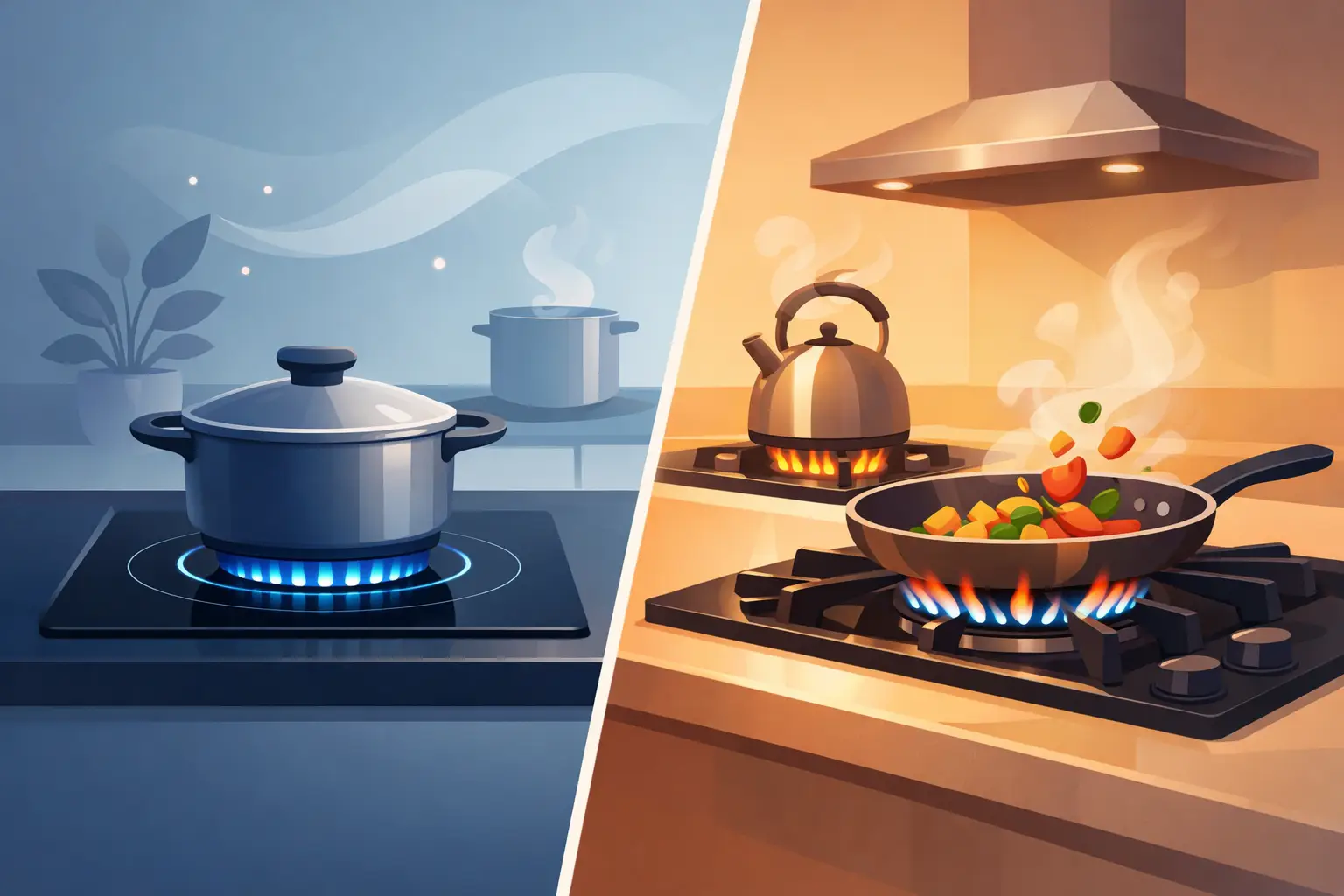
A cooktop changes more than the way dinner gets made. It shapes the visual center of a kitchen, the rhythm of a busy weekday, and even how comfortable the room feels when friends gather nearby. The choice between induction vs gas is not simply a question of what heats a pan faster. It is a decision about design, control, cleanup, ventilation, and the kind of everyday experience you want from a premium kitchen upgrade.
For some cooks, the visible flame and familiar responsiveness of gas remain part of the pleasure. For others, induction offers a strikingly clean surface, precise heat, and a more streamlined path from prep to plated meal. Both can be exceptional. The right one depends on your space and your standards.
Induction vs Gas: The Essential Difference
Gas cooktops create heat through an open flame fueled by natural gas or propane. The flame heats the bottom and sides of cookware, which is why gas works with nearly every type of pot or pan. It is intuitive, visually immediate, and favored by cooks who like to adjust heat by eye.
Induction cooktops use an electromagnetic field to heat compatible cookware directly. The glass surface itself does not generate heat in the same way a traditional electric burner does. Instead, the pan becomes the heat source. This makes induction remarkably responsive and efficient, while giving the cooktop a sleek, uninterrupted appearance when it is switched off.
That difference influences nearly every practical consideration, from what cookware belongs in your kitchen to how much heat lingers after a meal.
Cooking Performance: Precision Has Two Personalities
A gas flame offers tactile, visual control. Turn the dial and the flame changes instantly, making it easy to judge high heat for searing, a low flame for a delicate sauce, or a quick burst of heat beneath a wok. Many experienced home cooks enjoy this direct relationship with the burner. Gas also accommodates rounded cookware and specialty pieces with ease, depending on the grate design.
Induction answers with speed and consistency. Because energy transfers directly into the pan, water often reaches a boil faster than it does on gas. Temperature adjustments are immediate, too. Lower the setting and the heat drops without waiting for a grate or burner to cool. This degree of control is especially appealing for tasks that reward accuracy, such as melting chocolate, maintaining a gentle simmer, or preparing a polished pan sauce.
Neither approach automatically makes someone a better cook. Gas feels expressive and hands-on. Induction feels controlled and refined. If your ideal kitchen ritual involves flame-charred peppers, open-flame cooking holds a clear appeal. If you value repeatable results and quick transitions between techniques, induction is compelling.
The Cookware Question
Gas is flexible. Stainless steel, cast iron, carbon steel, copper, aluminum, and ceramic cookware can all work over a gas flame, provided the piece is designed for stovetop use.
Induction requires magnetic cookware. Cast iron and many stainless steel pans are compatible, while pure copper, glass, aluminum, and some stainless steel pieces are not. A simple magnet test is useful: if a magnet sticks firmly to the pan’s base, it will generally work with induction.
For a kitchen collection built around heirloom copper or lightweight aluminum, gas may prevent an expensive cookware reset. For households already using induction-ready stainless steel or cast iron, this concern may be minimal. Many high-end cookware lines now include induction compatibility, so shoppers starting fresh will find no shortage of beautiful options.
Kitchen Design and Everyday Cleanup
A cooktop should look considered even on an ordinary Tuesday morning. Here, induction has a distinct aesthetic advantage. Its flat black glass surface creates a clean, architectural line across an island or countertop. With no raised grates and no visible burners, it pairs naturally with minimal cabinetry, sculptural lighting, and modern kitchen finishes.
Cleanup is equally elegant. Since most spills do not bake onto the surface as aggressively, the cooktop can often be wiped with a soft cloth once it is cool. There are no burner caps to remove or grates to soak. For design-conscious households that use the kitchen constantly, that simplicity can feel like a meaningful luxury.
Gas brings its own visual character. A substantial gas range with cast-iron grates can make a kitchen feel grounded, professional, and warmly traditional. It suits homes with stone surfaces, richly finished wood, or a classic culinary look. The trade-off is maintenance: grates, burner heads, and the areas around each burner collect splatter and require more deliberate cleaning.
The best choice is often the one that supports the room you are creating. An induction cooktop can disappear into a contemporary kitchen. A gas cooktop can become a statement piece within a more expressive, chef-inspired space.
Safety, Heat, and Ventilation
Induction is often the easier option for households that prioritize a cooler, more controlled cooking environment. The cooking surface receives residual heat from the pan, but it does not have an exposed flame. Many induction models also include pan detection, automatic shutoff features, and controls that can be locked when not in use.
This does not eliminate the need for care. Hot pans remain hot, and the glass surface can be damaged by impact or improper cookware. Still, for homes with children, pets, or limited kitchen clearance, the absence of an open flame offers notable reassurance.
Gas requires thoughtful ventilation. Any combustion appliance produces byproducts, and a properly sized, well-functioning range hood is an essential part of a gas cooking setup. This is particularly relevant in compact homes and open-concept spaces, where cooking odors and heat can travel quickly. A high-quality hood improves the experience, but it also adds another design and installation consideration.
Induction benefits from ventilation as well, especially for smoke, steam, and lingering aromas. Yet it does not introduce combustion into the kitchen. That distinction matters to shoppers seeking a fresher-feeling space and a more energy-conscious home.
Installation, Energy Use, and Cost
The practical decision often begins behind the cabinetry. A gas cooktop needs a gas line or propane connection, plus electrical power for ignition on most contemporary models. If your kitchen already has gas service, installation may be comparatively straightforward. If it does not, adding a line can increase the project scope and cost.
Induction cooktops typically require a dedicated 240-volt electrical circuit. Older homes may need electrical panel work before installation, so it is wise to confirm capacity early in the planning process. This is not a reason to avoid induction. It is simply part of a polished renovation plan, alongside cabinetry measurements, ventilation, and countertop cutouts.
In use, induction is notably efficient because much of its energy goes directly into the cookware. Gas loses more heat to the air around the pan, which can make the kitchen warmer during long cooking sessions. Energy costs vary by local utility rates, so there is no universal winner for every household. But induction’s efficiency and cooler operation are strong advantages for many modern homes.
Upfront prices span a wide range in both categories. Premium induction units can carry a higher purchase price, while high-end gas cooktops with powerful burners, durable grates, and elevated finishes can be equally significant investments. Focus less on the entry price and more on the complete cost of ownership: installation, ventilation, cookware needs, maintenance, and how well the appliance supports your routine over years of use.
Who Should Choose Induction?
Induction is an excellent fit for cooks who value fast boiling, fine temperature control, easy cleanup, and a calm, modern kitchen aesthetic. It is particularly well suited to apartments, open-plan homes, and households where keeping ambient heat low matters. It also rewards anyone who wants a cooktop that feels advanced without looking overly technical.
Choose induction with clear eyes if you rely on non-magnetic cookware, experience frequent power outages, or want the sensory familiarity of cooking over flame. Induction does not operate during a power outage, while many gas cooktops can be lit manually with appropriate caution, depending on the model.
Who Should Choose Gas?
Gas remains a strong choice for passionate cooks who enjoy flame-based techniques, want universal cookware compatibility, or already have a well-designed gas setup. It is a natural match for kitchens with a classic professional look and for people who prefer visible heat over digital-style controls.
Its trade-offs are real: more cleaning, more waste heat, and a greater need for effective ventilation. In the right home, though, those compromises may feel entirely worthwhile. A beautifully built gas cooktop can still be the heart of a highly considered kitchen.
The most satisfying upgrade is the one that makes you want to cook more often. Picture the meals you make, the cookware you reach for, and the atmosphere you want around the island at the end of the day. Let that vision, not a trend, guide your choice.













Leave a comment