Outdoor Gazebo Buying Guide for Better Backyards
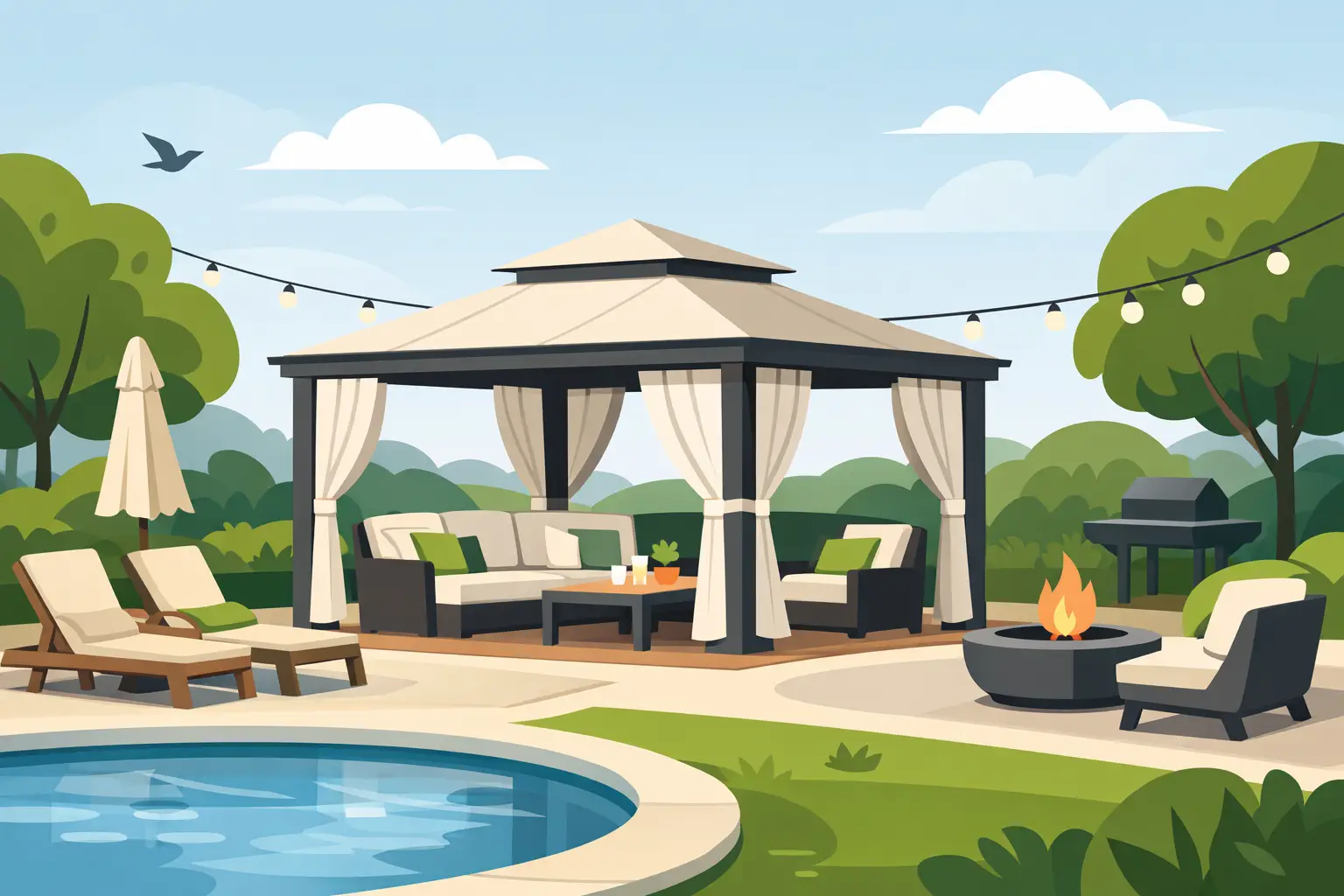
A gazebo changes the way a backyard is used. Instead of a patio that only works on the mildest afternoons, you gain a defined destination for long lunches, quiet coffee, family celebrations, and evenings that stretch past sunset. This outdoor gazebo buying guide focuses on the details that separate a passing purchase from a polished outdoor retreat you will enjoy for years.
The right choice is rarely the largest or most elaborate model. It is the one that feels proportionate to your space, suits your climate, and supports the way you actually entertain and relax.
Start With the Life You Want Outside
Before comparing materials or rooflines, picture a typical day under your gazebo. A compact garden hideaway for two calls for something very different from a covered dining space for eight. If you host often, prioritize circulation around the table, room for serving, and enough coverage to keep guests comfortable when the weather changes. If the goal is an elegant reading corner or a sheltered spa area, intimacy and privacy may matter more than footprint.
Measure the usable area, not just the open patch of lawn. Account for pathways, planters, furniture, grill clearance, pool edges, and the space needed to walk around the structure. A gazebo can look impressive online but feel crowded when its posts interrupt seating or leave no margin between the roofline and a fence.
For many patios, an 8-by-8-foot or 10-by-10-foot gazebo creates a comfortable lounge setting. A 10-by-12-foot or 12-by-12-foot size is more accommodating for dining. Larger designs can make a striking statement, but they require a generous setting and a plan for anchoring, lighting, and furnishings. Leave enough open space around the gazebo so it reads as an intentional architectural feature rather than an oversized cover squeezed into the yard.
Outdoor Gazebo Buying Guide: Choose the Right Type
Gazebos fall into three broad categories: portable pop-up models, hardtop gazebos, and permanent structures. Each has a place, and the best option depends on how long you expect it to stay in place.
A pop-up gazebo is a practical choice for occasional entertaining, tailgating, or seasonal shade. It is easy to store and typically more budget-conscious, but it should not be treated as a permanent backyard fixture. Fabric roofs and lightweight frames need careful weather monitoring, and many models should come down in high wind or heavy rain.
Hardtop gazebos are a compelling option for homeowners seeking a more elevated, all-season look without commissioning a fully custom build. Their metal or polycarbonate roof panels offer greater protection from sun and light rain than soft-top canopies, while powder-coated aluminum or steel frames create a clean, tailored profile. They are especially well suited to dining patios, pool decks, and outdoor lounge areas.
A wood gazebo brings warmth and craftsmanship that can complement traditional homes, landscaped gardens, and natural-stone patios. Cedar is valued for its appearance and natural resistance to decay, while treated wood can offer a more accessible route to a substantial look. The trade-off is maintenance. Wood needs periodic sealing, staining, or painting to preserve its finish and protect it from moisture and sun exposure.
Match the Material to Your Climate
Premium design should hold up to real life. Consider local wind, rain, humidity, snowfall, and intense summer heat before falling for a particular finish.
Aluminum is light, corrosion-resistant, and relatively low maintenance, making it a strong choice for humid regions and coastal-adjacent areas. Steel often provides a heavier, more substantial feel and can be exceptionally stable when properly coated, though scratched finishes should be touched up to prevent corrosion. Both materials benefit from secure anchoring, particularly in areas known for wind.
For a roof, galvanized steel or aluminum panels are commonly selected for longevity and a crisp architectural presence. A vented double roof is worth seeking out in warm climates because it encourages heat to rise and escape, making the space more comfortable beneath it. Polycarbonate roofs allow more natural light through but may retain more heat depending on their tint and construction. They can be ideal where a darker roof would make an already shaded patio feel closed in.
If you live in a snow-prone region, do not assume every hardtop gazebo is designed for winter loads. Check the stated snow-load rating and follow the manufacturer’s guidance. In storm-prone areas, a gazebo should be anchored to an appropriate foundation and, in some cases, stored or secured further ahead of severe weather.
A Roofline Is Both a Design and Comfort Decision
The roof is the gazebo’s visual signature. It also determines how well the space sheds water, handles heat, and frames the rest of your outdoor design.
A classic peaked roof works with nearly any home style and gives the structure a graceful sense of height. A double-tier roof adds visual distinction while helping ventilation. Sloped roofs direct water away effectively, but consider where runoff will land. You do not want a concentrated stream splashing onto a seating area or wearing a channel into landscaping.
Look closely at overhangs. A roof that extends beyond the frame offers better protection from angled sun and light rain, which can make a noticeable difference during a long dinner or afternoon gathering. Also consider whether the roof color coordinates with your home’s trim, fencing, or outdoor furniture. Matte black, bronze, charcoal, and warm wood tones tend to create a more refined, grounded look than bright finishes that compete with the landscape.
Build Comfort Into the Plan
A gazebo earns its place when it invites people to stay. Screens, curtains, and privacy panels can transform an attractive structure into a more usable outdoor room.
Mosquito netting is useful near water, gardens, and wooded areas, while privacy curtains can soften the frame and create a sense of enclosure. The most versatile setups use tracks or tie-backs, allowing you to open the sides for a breezy afternoon and close them when insects arrive or sun drops lower in the sky. Curtains should be weather-resistant, but they will last longer if removed or secured during severe conditions.
Lighting deserves attention before assembly begins. Warm string lights create atmosphere, while pendant fixtures or outdoor-rated sconces can make a dining gazebo feel deliberately designed. Battery-powered lanterns offer flexibility, but a professionally planned electrical connection may be worth considering for a structure used frequently. If installing power, work with a qualified professional and use outdoor-rated components.
Ceiling fans, heaters, and fire features can extend the season, but they require clearance and safety planning. Never place a charcoal grill, propane grill, or open flame beneath a gazebo unless the product is specifically designed for that use and local regulations allow it. An outdoor rug, weather-ready cushions, and a well-scaled table will add far more comfort than overcrowding the space with accessories.
Do Not Overlook Assembly, Anchoring, and Local Rules
A gazebo can be beautiful on delivery day and disappointing a month later if it has not been properly installed. Check whether your chosen model is intended for a concrete slab, wood deck, pavers, or ground anchors. A hardtop structure typically needs a stable, level base and secure fastening points. Pavers alone may not be sufficient unless the installation instructions specifically support that approach.
Assembly time varies widely. Smaller frame-and-canopy models may be manageable for two adults, while larger hardtop gazebos often require several people, a full day or weekend, and careful sorting of parts. Professional installation can be a sensible investment for a large structure, an elevated deck, or a property exposed to frequent wind.
Before ordering, review HOA guidelines, setbacks, permitting requirements, and utility locations. Rules can affect height, distance from property lines, whether a structure is considered permanent, and where you may anchor it. Addressing these details early protects both your investment and your peace of mind.
Select for Lasting Value, Not Just the Sale Price
The lowest-priced gazebo is not always the better value if replacement canopies, hardware, or support are difficult to obtain. Review the warranty, available replacement parts, finish quality, roof construction, and included accessories. A thoughtful premium purchase often looks better over time because the frame remains stable, the roof retains its shape, and the details continue to feel intentional after a season of use.
At Viridin, a curated outdoor selection is about more than filling a corner of the patio. It is about choosing pieces that bring sophistication, comfort, and a stronger sense of place to everyday living.
Choose the gazebo that gives your backyard a reason to be used more often. With the right scale, materials, and finishing touches, it can become the setting for the moments you did not plan to linger in, but gladly do.









Leave a comment