Best Beginner Drone With Camera for Easy Flying
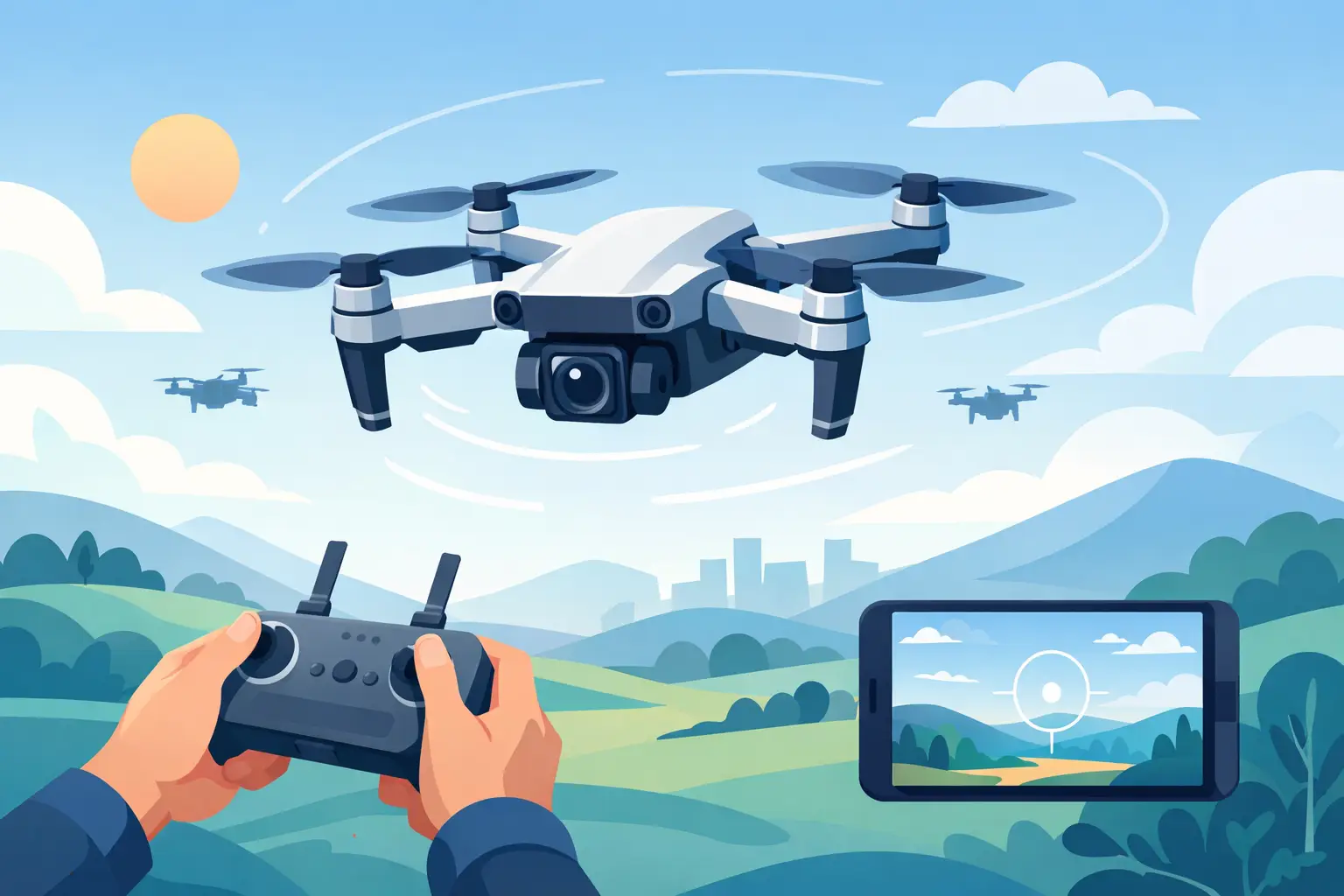
A first drone should make you want to fly again tomorrow, not send you searching for replacement propellers after one anxious afternoon. The best beginner drone with camera combines a stable, confidence-building flight experience with footage that feels worthy of the places you want to remember – a sunlit coastline, a family gathering, a quiet cabin weekend, or the architecture of a favorite city.
For most first-time pilots, the smartest purchase is not the most expensive aircraft available. It is the one that gives you responsive controls, dependable safety features, practical portability, and a camera capable of producing polished images without a complicated editing workflow. A considered choice turns aerial photography from a technical hobby into an elevated part of how you capture life.
What Makes a Drone Truly Beginner-Friendly
A beginner-friendly drone is designed to reduce the small mistakes that can make early flights stressful. GPS positioning is one of the most valuable features because it allows the drone to hold its place when you release the controls. That stability gives new pilots time to frame a shot, understand the remote, and stay calm if the wind picks up.
Automatic return-to-home is equally worthwhile. When battery power becomes low or the connection drops, this feature directs the drone back toward its recorded takeoff point. It is not a reason to fly carelessly, but it is a meaningful layer of reassurance for anyone learning the basics.
Look for an aircraft with a clear beginner or cine mode, too. These flight settings slow response speed and soften braking, making movement easier to control. They are especially useful when filming because smooth, gradual inputs look more cinematic than sudden turns and sharp climbs.
The physical design matters. A compact folding drone is easy to bring along on road trips, day hikes, and weekend escapes. A larger model may offer more presence in the wind, but it also takes up more room and can feel less inviting to use spontaneously. If the drone lives neatly in a protective case and fits into your plans, you are far more likely to fly it.
Camera Features That Matter More Than Big Numbers
Camera specifications can become overwhelming quickly. Resolution is important, but it is only one piece of the experience. A 4K camera is a strong starting point for most buyers because it provides crisp footage for sharing, viewing on a large television, or cropping slightly during editing. If you primarily want casual social clips, even a lower-resolution option can work, though 4K gives your footage more room to grow.
A three-axis mechanical gimbal is one of the most desirable upgrades for a new pilot. It physically stabilizes the camera as the drone moves, helping footage remain fluid rather than shaky. Electronic stabilization can improve results on entry-level models, but it generally cannot match the poised, refined look of a gimbal-supported camera.
Sensor size deserves attention if you care about sunset scenes, water views, or footage captured in softer light. Larger sensors typically handle shadows and highlights with more grace. That said, a compact drone with a smaller sensor may still be the better first choice if easy travel and simple operation are your priorities. The best camera is the one you will actually carry.
Also consider video profiles and photo formats realistically. Advanced color modes and RAW still images give experienced creators greater editing latitude, but they add time to the process. Many beginners will get more immediate satisfaction from standard color footage that looks vibrant directly from the drone. Choose advanced options when you are excited to learn editing, not because a feature list suggests you should.
The Best Beginner Drone With Camera Depends on Your Style
There is no single perfect drone for every new pilot. The right category depends on how and where you expect to fly.
For travel and everyday adventures
A lightweight folding drone is often the best fit for travelers, couples, and busy households. It can slip into a day bag without turning an outing into a gear-heavy production. Prioritize a compact body, dependable GPS, a stabilized camera, and at least 25 to 30 minutes of stated flight time per battery. Real-world flight time is often shorter because of wind, temperature, and the reserve needed for a comfortable return, so more is always welcome.
For first flights close to home
If you are practicing in a backyard or an open local field, a slightly larger drone with strong positioning and obstacle sensing can offer a calmer learning curve. Obstacle detection does not make collisions impossible, particularly around thin branches, wires, glass, or low light. Still, it can help prevent common errors while you build muscle memory with the controls.
For indoor practice and playful creativity
Small propeller-guarded drones are well suited to controlled indoor practice or close-range creative shots, assuming you have adequate room and follow the manufacturer’s guidance. Their camera quality is usually more modest, and they are not intended to replace a travel drone for expansive landscapes. Their advantage is approachability: you can practice turning, hovering, and gentle camera movements with less intimidation.
For aspiring content creators
A premium compact drone with a mechanical gimbal, subject tracking, and automated flight paths offers the best bridge between beginner simplicity and more ambitious filmmaking. Features such as orbit, reveal, and follow modes can produce impressive results with a few taps. Use them in open, unobstructed areas, and stay engaged with the flight rather than treating automation as permission to look away.
Do Not Overlook the Accessories
The drone itself is only part of the purchase. A second or third battery often improves the ownership experience more than a minor upgrade in camera resolution. One battery can feel surprisingly brief once you account for setup, preflight checks, and a safe return. Extra power lets you practice without rushing and gives you more opportunities to refine a shot.
A quality carrying case protects the drone, remote, batteries, and spare propellers while keeping the kit organized. It also reinforces the premium convenience that makes a compact drone worth owning: everything is ready when the moment is right. Spare propellers are sensible, even for careful pilots. They are inexpensive insurance against a close encounter with a branch or rough landing surface.
A memory card rated for the drone’s required video speed is another essential detail. A card that is too slow may interrupt recording or limit video quality. For sunny locations, neutral-density filters can be a valuable later addition, but they are not essential for a first flight. Learn the aircraft and camera settings before adding more variables.
Safety, Registration, and Respectful Flying
Premium equipment deserves responsible use. Before taking off, check the current US rules that apply to recreational drone flights, including registration requirements, airspace restrictions, and any applicable identification rules. Requirements can vary based on the drone’s weight, its use, and where you fly, so verify them before each new type of outing.
Choose open spaces away from people, vehicles, power lines, airports, and private homes. Keep the drone within visual line of sight, respect local rules, and avoid flying over crowds. Privacy matters as much as safety. A thoughtful pilot captures the view without making others feel watched.
Weather also changes the experience. Calm, dry conditions are ideal for learning. Wind can drain a battery faster and make a lightweight drone work harder, while cold weather can reduce battery performance. If conditions feel questionable, save the flight for another day. The best aerial footage is never worth an avoidable recovery mission.
A Smarter First Flight
Start with a simple objective: take off, hover at a modest height, rotate slowly, move forward and back, then land. Resist the urge to chase dramatic footage immediately. Ten quiet minutes spent learning orientation and braking behavior will make every future flight safer and more elegant.
When you are ready to film, use gentle movements and let the landscape do the work. A slow rise revealing a lake, a gradual pullback from a home, or a measured side pass along a row of trees often feels more luxurious than fast, complicated maneuvers. Review your clips after each battery, notice what feels smooth, and make one improvement on the next flight.
A well-chosen beginner drone is not simply another piece of technology. It is an invitation to see familiar places with fresh perspective. Choose the model that feels easy to bring, reassuring to control, and capable enough to make the memories you capture feel as considered as the life you are building.











Leave a comment