Choosing a Portable Generator for Home Backup
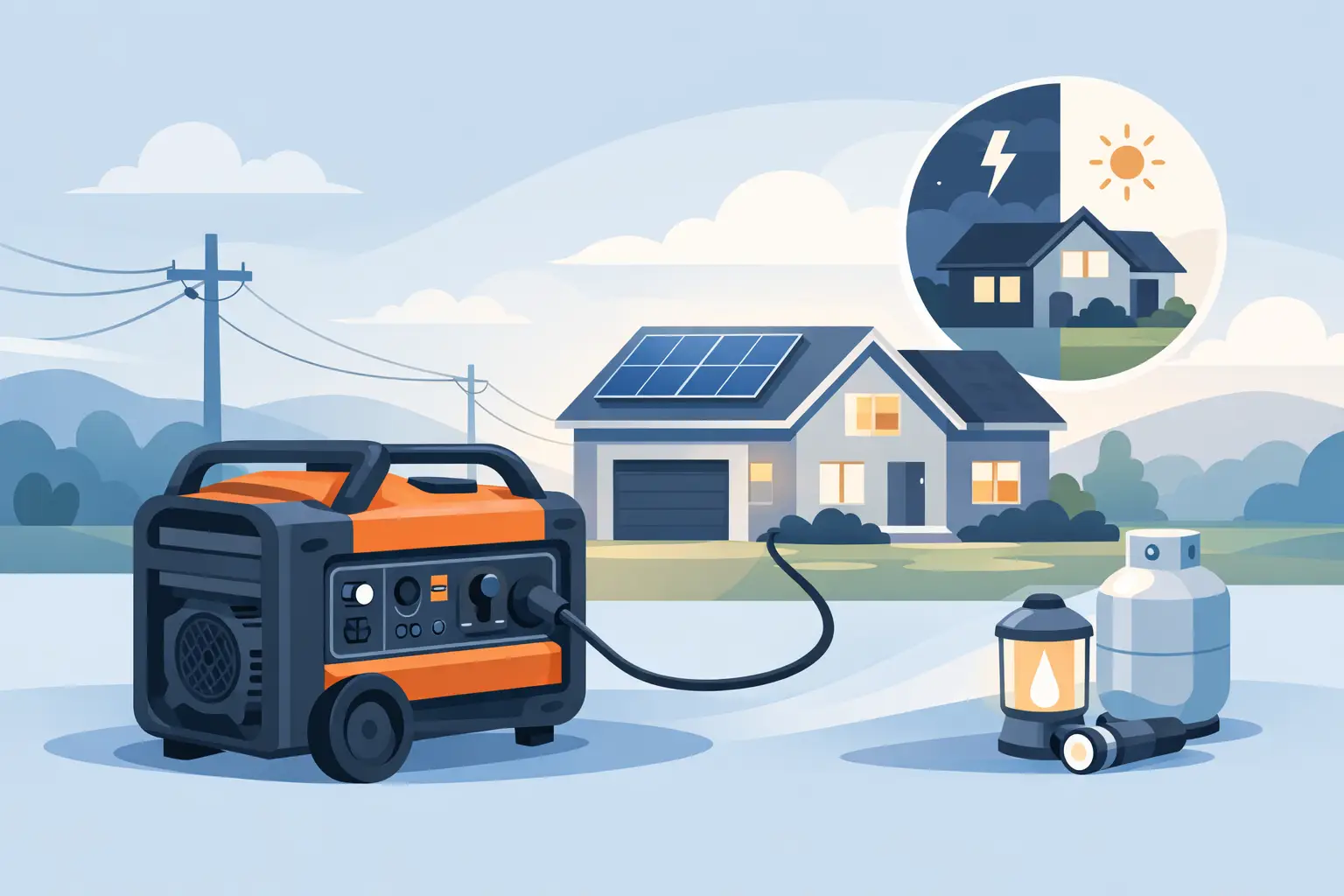
A power outage changes the feel of a home quickly. The refrigerator becomes a concern, the Wi-Fi disappears, and a comfortable evening can turn inconvenient by nightfall. A portable generator for home backup gives you a practical layer of independence – provided it is sized thoughtfully, operated safely, and chosen for the way your household actually lives.
For many homeowners, the right generator is not the largest machine available. It is the one that keeps essential systems running with less noise, less fuel waste, and fewer compromises to the comfort of a well-appointed home.
Start With the Home Essentials You Want to Protect
Before comparing models, decide what deserves power during an outage. A portable unit is designed to support priority circuits and appliances, not necessarily every electrical demand in the house at once. That distinction helps you spend with purpose rather than buying capacity you will rarely use.
A refined backup plan often starts with refrigeration, a few lights, phone charging, internet equipment, a television, and a sump pump if your home needs one. In colder climates, you may prioritize a furnace blower. In warmer areas, a window air conditioner or a small portable AC unit may matter more. If you work from home, add your modem, router, laptop, and a dedicated workspace light to the calculation.
Large electric loads change the equation. Central air conditioning, electric water heaters, electric ranges, clothes dryers, and whole-home heating systems can require far more capacity than a portable generator can comfortably provide. You can sometimes power one major appliance, but trying to run several at once calls for careful load management or a permanently installed standby solution.
Size a Portable Generator for Home Backup Correctly
Generator output is measured in watts. Every appliance has a running wattage, while motors and compressors often require a higher surge, or starting, wattage for a few seconds. A refrigerator may run at a modest level but need a larger burst of power when its compressor cycles on. The same is true for sump pumps, freezers, and many power tools.
Write down the equipment you expect to use at the same time. Add its running watts, then account for the highest starting load likely to occur. The appliance label, owner’s manual, or manufacturer specifications can provide accurate numbers. If you are unsure, choose a generator with a sensible buffer rather than operating at its maximum rating for hours.
As a broad planning range, a 2,000- to 3,000-watt inverter generator can support a compact set of essentials in a smaller home or apartment-friendly setting where outdoor operation is possible. A 4,000- to 6,500-watt unit is often a more flexible choice for a refrigerator, freezer, lighting, electronics, a sump pump, and selected comfort appliances. Homes that need several heavy loads may require 7,000 watts or more, though higher output generally means a larger footprint, more fuel use, and more operating noise.
The goal is not excess for its own sake. It is enough reserve capacity for the moments when real life happens: the refrigerator starts while the sump pump activates and someone plugs in a device.
Consider an Inverter Generator for Everyday Comfort
Inverter generators are especially appealing for homeowners who value quieter operation and cleaner power for electronics. They adjust engine speed to match demand, which can reduce fuel consumption and sound levels when the load is light. That makes a difference during an overnight outage, particularly in neighborhoods where generators are close to patios, bedrooms, and adjacent homes.
Conventional open-frame generators are often less expensive per watt and can deliver serious capacity. They are a strong option when output is the priority, such as powering a well pump or several appliances. The trade-off is usually greater weight and more audible operation. Neither style is automatically better. The right choice depends on whether you prioritize discreet, efficient support or maximum power for the budget.
Choose Fuel Around Your Outage Plan
Fuel affects convenience as much as performance. Gasoline is widely available and familiar, but it has a limited storage life and should be kept in approved containers away from living areas and ignition sources. During a prolonged regional outage, fuel stations may also be closed or have long lines.
Dual-fuel generators offer more flexibility by operating on gasoline or propane. Propane stores longer than gasoline and can be especially useful for homeowners who want a more prepared, lower-maintenance fuel reserve. Its output can be slightly lower than gasoline on some models, so compare the rated wattage for each fuel type rather than assuming the figures match.
Runtime deserves the same attention as fuel type. A generator that runs eight to 12 hours at a moderate load can make overnight planning far easier than one that needs frequent refueling. Look at runtime at 25% and 50% load, since published runtime numbers can look impressive but may not reflect a heavily used setup.
Build Safety Into the Purchase Decision
A portable generator belongs outdoors, never in a garage, basement, enclosed porch, shed, or near an open window. Carbon monoxide is colorless and odorless, and generator exhaust can become deadly in enclosed or partially enclosed areas. Place the unit outside at least 20 feet from the home, with exhaust directed away from doors, windows, and vents. Follow the manufacturer’s placement guidance if it requires even more clearance.
Install working carbon monoxide alarms on every level of the home and outside sleeping areas. This is not an accessory purchase. It is part of responsible backup power.
For connecting appliances, heavy-duty outdoor-rated extension cords can work well for a limited setup. Select cords rated for the appliance load and keep connections dry. For a more polished, functional arrangement, have a licensed electrician install a manual transfer switch or interlock system. This lets you power selected household circuits without running cords through doors or windows.
Never connect a generator directly to a wall outlet or household wiring without approved transfer equipment. This practice, known as backfeeding, can endanger utility workers, damage equipment, and create a serious fire risk.
Look for Features That Make Ownership Easier
The best portable generator is one you can confidently use when conditions are inconvenient. Electric start is valuable when you do not want to pull-start a machine during a storm or in cold weather. Remote start can add another level of convenience, though the generator still must be positioned safely outdoors before use.
A clear fuel gauge, low-oil shutdown, overload protection, covered outlets, and a dependable wheel kit all improve the ownership experience. If electronics are central to your backup plan, look for inverter output and appropriate USB or 120-volt outlets. For a transfer-switch connection, confirm the generator has the correct 120/240-volt outlet and sufficient output for the circuits you intend to run.
Portability means more than a product category. Consider where the generator will live between outages, whether you can move it without strain, and how easily it will reach its safe operating location. A high-output model may be excellent on paper but frustrating if it is too heavy to position when you need it most.
Prepare Before the Forecast Changes
A generator should not make its first appearance when the lights are already out. Read the manual, test the unit outdoors, and learn its starting sequence before an emergency. Keep fresh fuel on hand, along with properly sized cords, a weather-resistant cover for storage, and the oil and maintenance items specified by the manufacturer.
Run the generator periodically according to its maintenance schedule. This helps protect the engine, reveals problems early, and gives you confidence in the equipment. If you store gasoline, rotate it and use a fuel stabilizer where appropriate. If you rely on propane, confirm tank levels before severe weather arrives.
A portable generator for home backup is an investment in calm, not just electricity. Choose for the essentials that preserve your household’s comfort, protect what matters, and make an uncertain night feel far more manageable.













Leave a comment