Best Compact Home Sauna: What to Buy
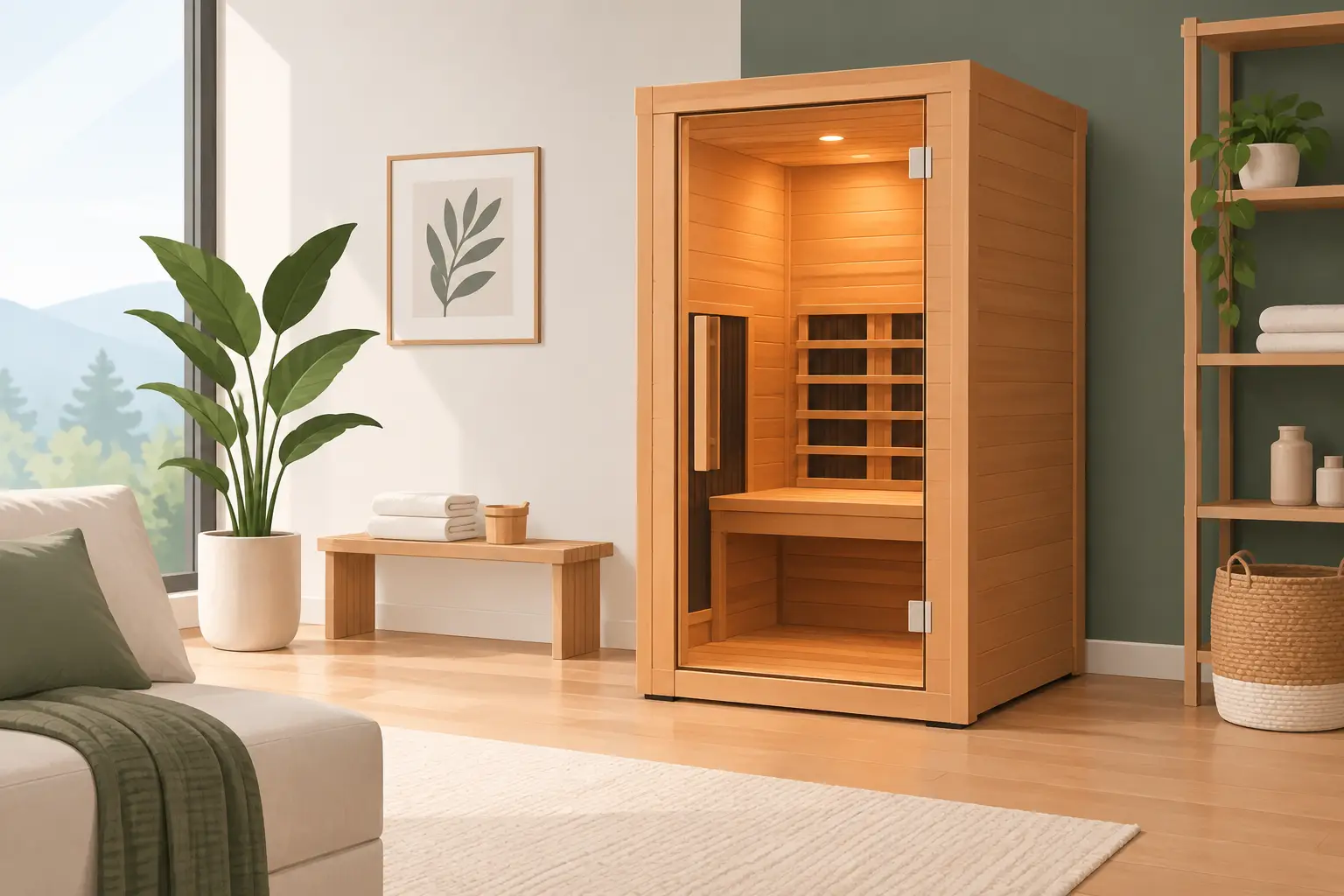
A spare bedroom is not required for a meaningful at-home reset. The best compact home sauna can turn a quiet corner of a primary suite, home gym, or covered patio into a polished wellness retreat – with room for the ritual, not the renovation. The right choice feels considered: comfortable enough to use often, beautifully suited to its setting, and designed around the way you actually live.
For design-conscious shoppers, compact does not have to mean compromised. It means selecting the right heat style, footprint, materials, and features so every square foot earns its place.
What Makes the Best Compact Home Sauna?
The best option is rarely the one with the highest temperature or the most extras. It is the sauna you can install safely, enjoy comfortably, and return to several times a week. For many homes, that points to a one- or two-person model with a thoughtful footprint and low-friction setup.
A compact sauna should give one adult enough room to sit naturally, stretch their legs slightly, and enter without feeling like they are climbing into a cabinet. Two-person models are ideal for couples or for solo bathers who prefer extra shoulder room, but their exterior dimensions can grow quickly. Before falling for a beautiful finish or a dramatic glass front, map the unit’s full clearance area, including door swing, ventilation space, and a comfortable path in and out.
Build quality matters just as much in a smaller format. Look for interiors made with sauna-appropriate woods such as cedar, hemlock, or basswood. Each offers a different visual character and aroma, but all should feel smooth, stable, and carefully finished. A premium compact sauna should look at home beside refined furnishings rather than read as temporary fitness equipment.
Start With the Heat Experience You Want
The central decision is not size. It is how you want the heat to feel.
Infrared saunas for easy everyday use
Infrared models warm the body more directly than the surrounding air. They generally operate at lower air temperatures than traditional saunas, often making them a comfortable choice for longer, more frequent sessions. They are particularly attractive for indoor installations because many plug into a standard household outlet, warm up relatively quickly, and do not require plumbing.
For a busy professional or a household balancing different schedules, infrared makes the wellness routine more accessible. A 30-minute session after work can feel realistic when the sauna does not demand a lengthy preheat or a major room conversion.
The trade-off is atmosphere. If your idea of a sauna includes intense room heat, the scent of warm wood, and the option to add water to hot stones, infrared delivers a different ritual. It can be deeply relaxing, but it is not intended to recreate a classic Finnish sauna experience.
Traditional and steam-capable saunas for classic heat
Traditional electric-heater saunas heat the air and stones, creating the enveloping warmth many people associate with a spa or luxury club. When compatible with the unit and used according to its instructions, water on the stones adds humidity and a more immersive sensory experience.
This style often requires a dedicated electrical connection, more deliberate ventilation, and professional installation. It may also need a slightly larger footprint. The investment can be worth it for shoppers who want authentic high heat and a more architectural, permanent addition to the home.
Do not confuse a traditional sauna with a steam shower. Steam showers use a generator to fill an enclosed, waterproof room with moist heat and typically involve extensive plumbing, waterproofing, and tile work. They are elegant, but they are a renovation project rather than the most compact route to a home sauna.
Portable options for flexible spaces
Portable tent-style and infrared blanket options take up the least space and can be stored away between uses. They can be practical for renters or anyone testing whether sauna sessions fit their routine. Still, they offer a noticeably different experience from a solid wood cabin, both in comfort and in visual presence.
If your goal is a lasting, elevated wellness zone, a compact cabin-style sauna is usually the more satisfying choice. If flexibility and a lower commitment matter most, portable may be the right starting point.
Measure the Room Like a Designer
A compact sauna should make a room feel more intentional, not more crowded. Measure the available width, depth, and ceiling height, then account for the practical space around the unit. Manufacturers specify clearances for heat, electrical access, and service, and those requirements should guide the final placement.
An interior location near a home gym, bathroom, or primary bedroom often makes the most sense. You will want a nearby place to cool down, hydrate, and shower afterward. A covered outdoor setting can be equally inviting, but the sauna must be rated for exterior use and positioned on a stable, level foundation protected from standing water.
Also consider the route from delivery point to installation room. Hallways, staircases, elevators, and tight turns can determine whether a larger prebuilt unit is feasible. Modular panel construction is especially helpful in apartments, townhomes, and finished lower levels because it can be carried in and assembled onsite.
Details That Separate a Premium Sauna From a Basic One
Compact dimensions make every design choice more visible. The best compact home sauna models balance performance with details that make the space feel finished.
Full-spectrum infrared heaters are a popular feature for shoppers seeking a broader infrared range, although the real priority is thoughtful heater placement and even warmth around the body. Low-EMF design, easy-to-read digital controls, adjustable timers, and integrated interior lighting can make regular use more pleasant. Chromotherapy lighting can add a calming visual note, but it should be treated as an ambiance feature, not the reason to buy.
Comfort deserves close attention. Examine bench depth, backrest shape, door opening, and interior height. A handsome sauna that leaves you stiff after 15 minutes will not become part of your routine. Tempered glass doors and windows can make a compact cabin feel less enclosed, while a mostly wood exterior delivers a warmer, more private look.
For a refined installation, consider how the sauna pairs with the rest of the room. Natural wood works beautifully with stone, soft towels, matte black accents, and simple storage for water, robes, and aromatherapy accessories. The goal is not to imitate a commercial spa. It is to create a personal space that feels easy to enter and difficult to leave.
Installation, Electrical Needs, and Safety
This is where an appealing product becomes a responsible purchase. Always confirm the model’s electrical requirement before ordering. Some compact infrared units use a standard 120-volt outlet, while larger infrared and most traditional heater models may require 240-volt service and a dedicated circuit installed by a licensed electrician.
Never rely on an extension cord unless the manufacturer explicitly permits it. The sauna should sit on a level, durable surface, and any outlet or electrical components should be appropriate for the environment. Follow the manufacturer’s ventilation and clearance guidance precisely, particularly for traditional heater models.
Wellness should feel restorative, not extreme. Hydrate before and after sessions, begin with shorter durations, and leave immediately if you feel dizzy, nauseated, or unwell. People who are pregnant or managing cardiovascular conditions, blood pressure concerns, or other health issues should speak with a qualified clinician before using a sauna.
How to Choose the Right Size for Your Routine
Choose a one-person compact sauna when square footage is limited, your sessions are primarily solo, and you want the smallest possible visual footprint. It is an excellent fit for a bedroom corner, dedicated wellness nook, or apartment-friendly home gym.
Choose a two-person sauna when shared sessions matter, you want extra personal space, or the sauna will serve as a focal point in a larger room. The additional room can make solo use considerably more comfortable, especially for taller users, but measure carefully. A few added inches in each direction can change where it can realistically live.
For most buyers, the sweet spot is a well-built two-person infrared sauna or a thoughtfully engineered one-person traditional sauna. The right answer depends on whether you prioritize shared comfort and convenient setup or the more classic intensity of heated stones.
A Better Way to Shop for a Compact Sauna
Start with the space, then decide on heat style, installation requirements, and seating capacity. That order prevents a common mistake: choosing a sauna based on a beautiful product image before confirming it suits the room and electrical setup.
From there, focus on lasting value. A lower upfront price can lose its appeal if the cabin feels cramped, the wood lacks refinement, or controls make the experience feel fussy. A premium selection should earn its place through dependable construction, considered design, and the kind of comfort that invites repetition.
At Viridin, the most compelling home upgrades are the ones that elevate ordinary evenings without complicating them. Choose a compact sauna that fits your home with ease, set out a clean towel and chilled water, and give yourself a reason to step away from the day.












Leave a comment