Bidet Versus Attachment for Your Bathroom
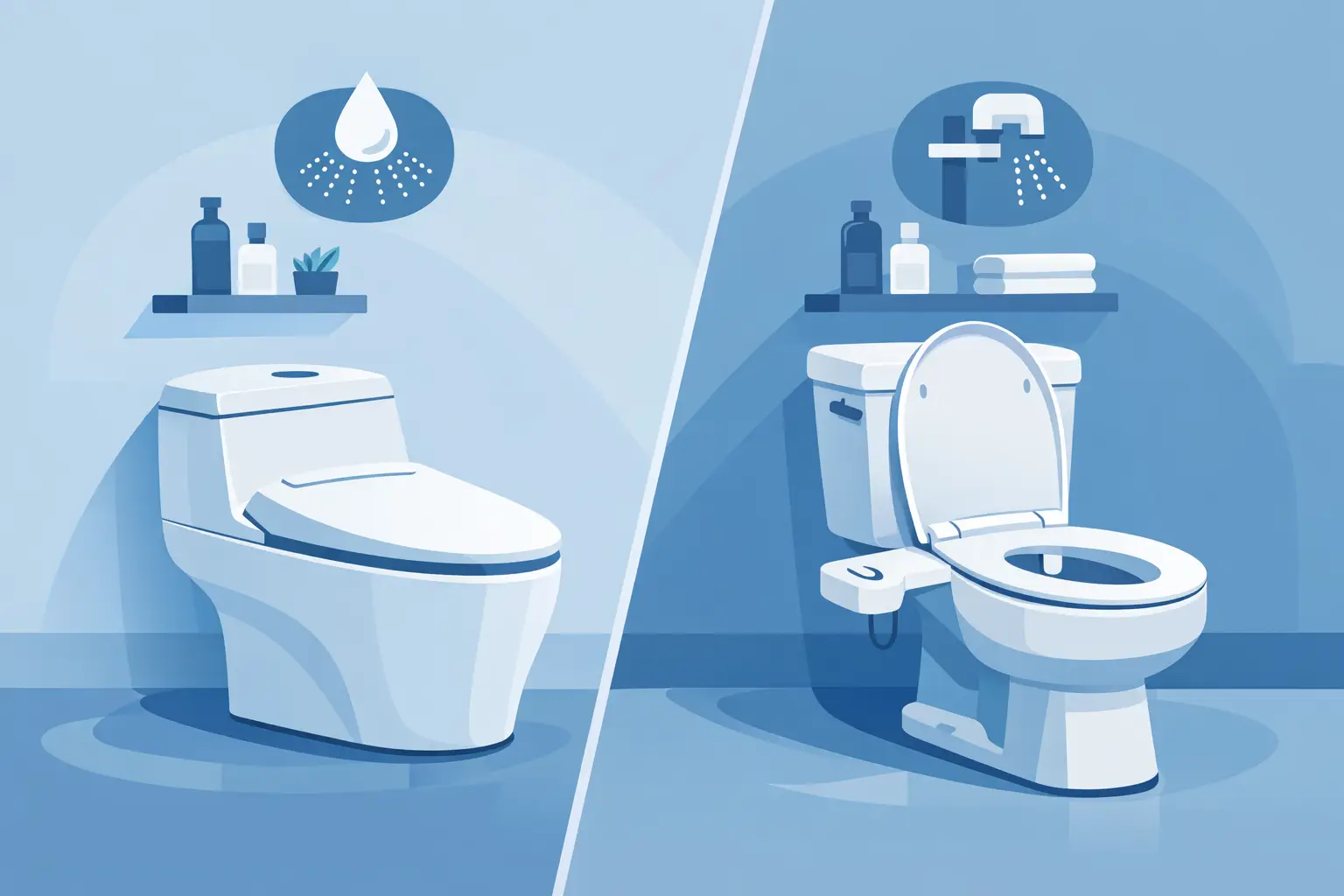
A better bathroom is often defined by the details no one sees at first glance: warmer floors, thoughtful lighting, hardware that feels substantial, and routines that make the day more comfortable. When considering a bidet versus attachment, the right choice is not simply about adding water. It is about deciding how much space, design intention, and everyday convenience you want from the upgrade.
A traditional standalone bidet makes a strong visual and functional statement in a spacious, design-led bath. A bidet attachment offers an accessible, high-value way to bring personal cleansing to the toilet you already own. Both can elevate daily comfort, reduce toilet paper use, and create a more polished hygiene routine. Their differences become clear when you look at installation, features, footprint, and the kind of bathroom you are building.
Bidet Versus Attachment: The Essential Difference
A full bidet is a separate plumbing fixture installed beside the toilet. It has its own basin, faucet or spray system, drain, and dedicated floor space. This is the classic European-style bidet many people picture: a permanent, architectural addition best suited to a new build, an extensive renovation, or a generously proportioned primary bathroom.
A bidet attachment, by contrast, mounts beneath an existing toilet seat and connects to the toilet’s water supply. Most have a slim control panel at the side, while some include a handheld sprayer. It directs a controlled stream of water through a retractable nozzle, then tucks discreetly out of sight when not in use.
There is also a third option worth understanding: the bidet seat. While it is not a standalone fixture or a simple attachment, it replaces your existing seat with an integrated unit. Premium bidet seats may add heated water, a warm-air dryer, a heated seat, deodorizing functions, night lighting, remote controls, and personalized wash settings. For shoppers who want a high-end experience without moving walls or adding another fixture, this category often provides the most compelling middle ground.
Choose a Full Bidet for a Designed-From-the-Ground-Up Bath
A standalone bidet is less about convenience on a modest budget and more about permanence, proportion, and traditional luxury. It brings a tailored, hotel-inspired look to a primary suite, especially when matched with a coordinating toilet, faucet finish, and other bathroom fixtures. In the right room, it feels intentional rather than excessive.
The chief advantage is comfort and flexibility. Because it is a separate fixture, users can adjust position more freely, and the basin can be used for purposes beyond personal cleansing, such as rinsing feet. A quality installation also gives you the opportunity to select elevated materials and finishes that complement the room’s broader design language.
That refinement comes with real requirements. A standalone bidet needs enough clearance to be comfortable, plus hot and cold water lines and a drain. Adding it after the fact can mean moving plumbing, opening walls, changing flooring, and hiring a licensed professional. The cost of the fixture may be only one portion of the investment.
For a large bathroom renovation, those demands may be perfectly reasonable. If you are already selecting tile, plumbing fixtures, lighting, and vanities, a bidet can be incorporated beautifully from the start. In a compact guest bath, condo, or rental, it is usually not the most practical use of space.
When a standalone bidet is worth it
Choose a full bidet when you have a spacious bathroom, are planning substantial plumbing work, and want the fixture itself to contribute to the room’s visual identity. It is an especially fitting choice for homeowners creating a long-term, high-end primary suite where every element is chosen for cohesion.
It is less appealing when your goal is a quick comfort upgrade, when floor space is at a premium, or when you want to avoid construction. A sophisticated bathroom should feel generous, not crowded.
Why a Bidet Attachment Delivers Exceptional Value
A bidet attachment changes the experience of an existing toilet with a far smaller commitment. It usually installs in under an hour using the included hose, T-valve, and mounting hardware. In many cases, no electrician or plumber is necessary. Turn off the water supply, attach the connection, secure the unit beneath the seat, check for leaks, and adjust the spray to your preference.
This makes attachments especially attractive for apartment dwellers, first-time homeowners, guest bathrooms, and anyone updating a space in stages. Rather than waiting for a full renovation, you can improve everyday comfort now while preserving the option to redesign later.
The best attachments are understated. Look for a slim profile that does not create an awkward gap beneath the toilet seat, durable brass or metal water connections, a self-cleaning nozzle, adjustable water pressure, and separate front and rear wash settings where appropriate. These details influence both hygiene and the long-term feel of the product.
Cold-water attachments are the simplest and most common. They connect directly to the toilet’s supply line, so the water temperature reflects the incoming household water. For many households, this is entirely comfortable, particularly in warmer climates or for quick use. A dual-temperature attachment can connect to a nearby sink’s hot-water line, but installation is more involved and may not suit every bathroom layout.
An attachment is not designed to replicate every luxury feature of an advanced bidet seat. It generally will not offer warm air drying, a heated seat, user presets, or a remote control. Yet it can deliver the core benefit many shoppers are looking for: a fresh, adjustable, water-based clean that feels meaningfully better than relying on paper alone.
Compare Comfort, Cost, and Space Before You Buy
The most useful way to decide is to consider how the product will live in your home, rather than judging it solely by price.
A standalone bidet has the highest installation cost and the largest footprint, but it offers a distinctive, permanent design feature. It suits a bathroom where luxury is expressed through architecture and coordinated fixtures.
An attachment has the lowest entry cost, minimal visual impact, and the simplest path to installation. It is practical, discreet, and remarkably effective for a guest bathroom, smaller home, or rental-friendly refresh. It also allows you to test whether a water-based cleansing routine suits your household before committing to a renovation.
A bidet seat typically costs more than an attachment but less than installing a separate fixture, particularly when electrical access already exists near the toilet. It uses the existing toilet footprint while adding the comfort features that make a daily routine feel more considered. For many modern homes, this is the ideal blend of polish and practicality.
Keep household needs in view, too. Families may appreciate adjustable pressure and easy-to-clean nozzles. Older adults or people with mobility concerns may value the added comfort and reduced need for wiping. Guests often find a simple attachment more intuitive than a complex remote, while a primary suite can justify more personalized settings.
Installation Details That Shape the Experience
Before choosing an attachment or bidet seat, measure the toilet and inspect the area around it. Confirm whether your toilet has a standard two-piece shape, enough clearance around the seat bolts, and an accessible shutoff valve. One-piece, elongated, skirted, and unusually shaped toilets can require more careful compatibility checks.
For electric bidet seats, confirm that there is a properly grounded outlet within reach. Avoid treating an extension cord as a permanent bathroom solution. If an outlet is not available, an electrician can add one during a planned update, turning the upgrade into a cleaner, safer installation.
With any water-connected product, quality components matter. A reliable valve, reinforced hose, clear controls, and straightforward cleaning access are worth prioritizing over the lowest possible price. This is a product used every day, often by multiple people. It should feel dependable, not improvised.
Make the Upgrade Feel Intentional
The most refined choice is the one that fits the room and your routine without asking you to compromise. A minimal attachment can be the quietly smart answer for a streamlined powder room. A feature-rich bidet seat can bring spa-like comfort to a busy primary bath. A standalone bidet can complete a renovation where scale and craftsmanship are already central to the vision.
Choose the level of luxury you will genuinely use, invest in quality where it touches your daily life, and let the bathroom become one more place where comfort feels considered.










Leave a comment