Drone Camera Review: Find Your Perfect View
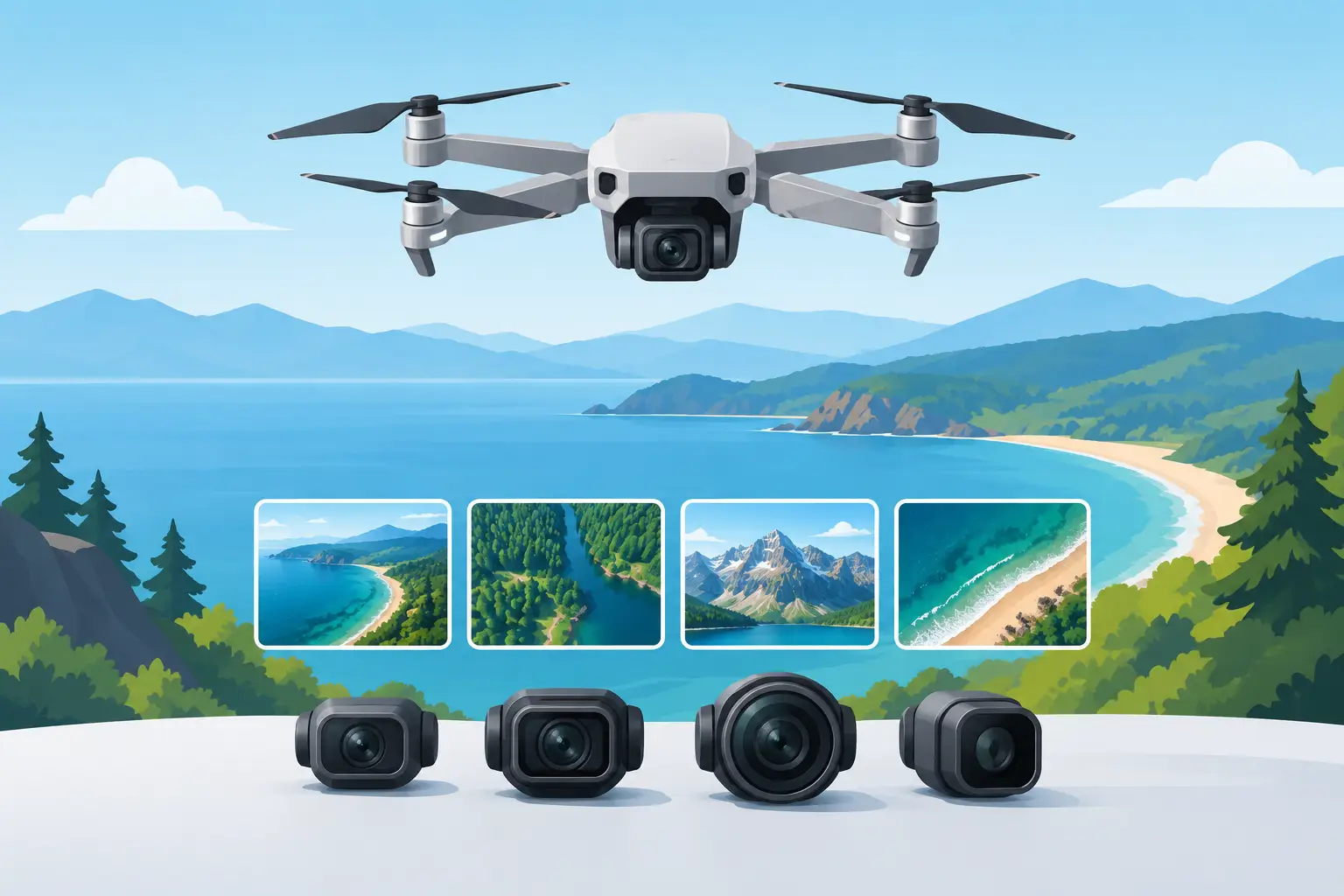
A great aerial shot can turn a quiet coastline, a finished backyard, or a family weekend away into something worth revisiting. But a drone is not automatically a great camera simply because it flies. This drone camera review focuses on the details that separate a satisfying purchase from an expensive device that stays in its case: image quality, flight confidence, portability, and the features that make filming feel natural rather than technical.
For design-conscious shoppers, the right drone should feel like a considered addition to a modern lifestyle. It should be refined enough to carry on a trip, capable enough to capture the view properly, and simple enough that a spontaneous golden-hour flight does not become a setup project.
What a Drone Camera Review Should Actually Measure
Camera specifications matter, but they only tell part of the story. A high megapixel count may help with cropping and still-image detail, yet sensor size, lens quality, image processing, and stabilization often have a greater effect on whether footage looks polished on a large screen.
Start with the image you want to make. For travel, social video, and memorable family moments, a compact drone with stabilized 4K video can be an excellent fit. For property visuals, design projects, and more ambitious creative work, a larger sensor and adjustable aperture can offer richer detail, better highlight control, and more flexibility when the light is less forgiving.
The best choice depends on how you will use it. A lightweight model is easier to bring along, while a more advanced aircraft may justify its extra size with stronger wind resistance, longer flight time, and a camera that performs beautifully near sunrise or sunset. Premium does not always mean largest. It means the capabilities match the occasions you actually want to capture.
Camera Quality Beyond the Headline Specs
Sensor size changes the look
A larger sensor typically captures more light, which helps preserve texture and color in challenging scenes. Think of shaded trees against a bright sky, water reflecting late-afternoon sun, or a patio gathering that continues into dusk. Footage from a better sensor often appears cleaner and more dimensional before any editing begins.
Smaller-sensor drones still have a place. They can deliver crisp daytime footage in a compact, approachable package, particularly when convenience is the priority. The trade-off appears when light drops or when scenes contain extreme contrast. If you want a drone that can support more considered visual work, sensor quality deserves more attention than an oversized resolution number.
Stabilization is nonnegotiable
A three-axis mechanical gimbal is one of the clearest signs that a drone is built for polished results. It keeps the camera level as the aircraft moves, reducing the small jolts and horizon shifts that can make aerial footage look casual.
Electronic stabilization can be useful on entry-level options, but it may crop the image or struggle when conditions become windy. For footage that feels composed rather than improvised, a mechanical gimbal is the more compelling investment.
Video settings should serve real viewing
4K recording remains the sweet spot for most shoppers. It looks excellent on modern televisions, gives you room to crop when editing, and avoids the storage demands associated with higher-resolution formats. Frame rate matters too: 24 or 30 frames per second creates a classic, natural look, while 60 frames per second gives you the option to slow a moment down gracefully.
Look for manual exposure controls and a flat or log-style color profile if you enjoy editing. These features are not essential for every flight, but they give creative users more authority over highlights, shadows, and final color. If you prefer to share immediately, strong automatic processing and dependable standard color modes may be more valuable.
Flight Features That Protect the Experience
The most beautiful camera is of little use if flying feels tense. A refined drone experience comes from systems that help you focus on the scene instead of worrying about every control input.
Obstacle sensing is especially valuable around trees, rooflines, and landscaped spaces. It is not a substitute for careful piloting, and sensors can miss thin branches, wires, reflective surfaces, or objects outside their field of view. Still, all-direction sensing can provide meaningful reassurance for newer pilots and make complex environments less intimidating.
Return-to-home functionality is equally practical. When battery levels fall or the connection is interrupted, the drone can navigate toward its recorded launch point. Set the return altitude thoughtfully before each flight, particularly in areas with tall trees or structures.
Flight time deserves a realistic read. Manufacturers often quote figures achieved in calm conditions, with minimal maneuvering. In everyday use, expect less time once you account for wind, recording, and a sensible battery reserve. A drone that claims 30 minutes may provide a comfortable 20 to 25 minutes of active filming. That is still enough for several intentional shots when you plan the route before takeoff.
Portability or Presence: Choosing the Right Design
A foldable mini drone is hard to resist for travelers, apartment dwellers, and anyone who wants creative tools without more clutter. It slips into a weekend bag, encourages frequent use, and makes quick flights feel attainable. Many smaller models now deliver impressive video quality under favorable conditions.
A mid-size or professional-style drone makes a different promise. It often brings a stronger camera, better performance in wind, more confident obstacle sensing, and controls designed for longer sessions. This is the better direction for homeowners documenting renovations, creators building a more cinematic library, or buyers who would rather purchase once and grow into the equipment.
There is also a practical regulatory consideration. In the US, drone rules can vary based on aircraft weight, location, and purpose of the flight. Registration, remote identification requirements, local restrictions, and airspace rules may apply. Before flying, confirm the requirements for your area and respect privacy. A premium purchase should support great memories, not an avoidable interruption.
A Drone Camera Review for Different Lifestyles
For the frequent traveler, prioritize low weight, a protective carrying case, quick setup, and reliable automatic modes. A compact drone with a 4K stabilized camera can create a remarkable visual record without dominating your luggage.
For home and property enthusiasts, focus on stability, obstacle sensing, and camera dynamic range. Aerial footage can showcase landscaping, outdoor kitchens, pool areas, and architectural details from a perspective ground cameras cannot offer. Avoid flying over people, neighboring homes, or private spaces without clear permission.
For the aspiring creator, the strongest value may be found in manual camera control, a larger sensor, high frame-rate video, and extra batteries. You do not need every professional feature on day one, but choosing a model with room to develop can make the purchase feel more enduring.
For family use, simplicity has its own luxury. Choose intuitive controls, automated return functions, and subject-tracking modes that let you capture a bike ride, beach day, or gathering without asking someone to become a technical operator. Keep flights brief, visual, and respectful of the setting.
Small Accessories, Better Results
The drone itself is only part of the purchase. Extra batteries are often the most useful upgrade because they extend a day of shooting without adding complexity. A quality case protects the aircraft and keeps small components organized, while a fast memory card prevents recording interruptions.
Neutral density filters can be worthwhile for shoppers who want smoother motion in bright sun. They reduce the amount of light entering the lens, allowing video settings that create a more cinematic result. They are not necessary for casual first flights, but they are a thoughtful addition once you begin filming with intention.
A landing pad can also protect the drone from sand, grass, dust, and damp surfaces. It is a modest accessory with a surprisingly premium benefit: your equipment stays cleaner, and takeoffs feel more deliberate.
The Best Purchase Is the One You Will Fly
It is easy to shop for the most advanced drone available and overlook the one that suits your life. A camera drone earns its place when it comes with you: to the overlook, the lake house, the newly finished deck, or the weekend that deserves more than phone photos.
Choose the model that balances image quality with confidence and convenience, then give yourself permission to practice in an open, legal location. A few calm flights are usually all it takes for the controls to feel familiar. From there, the view becomes less about technology and more about seeing the places you love from a fresh, beautifully composed perspective.









Leave a comment