Purifier Versus Dehumidifier for Your Home
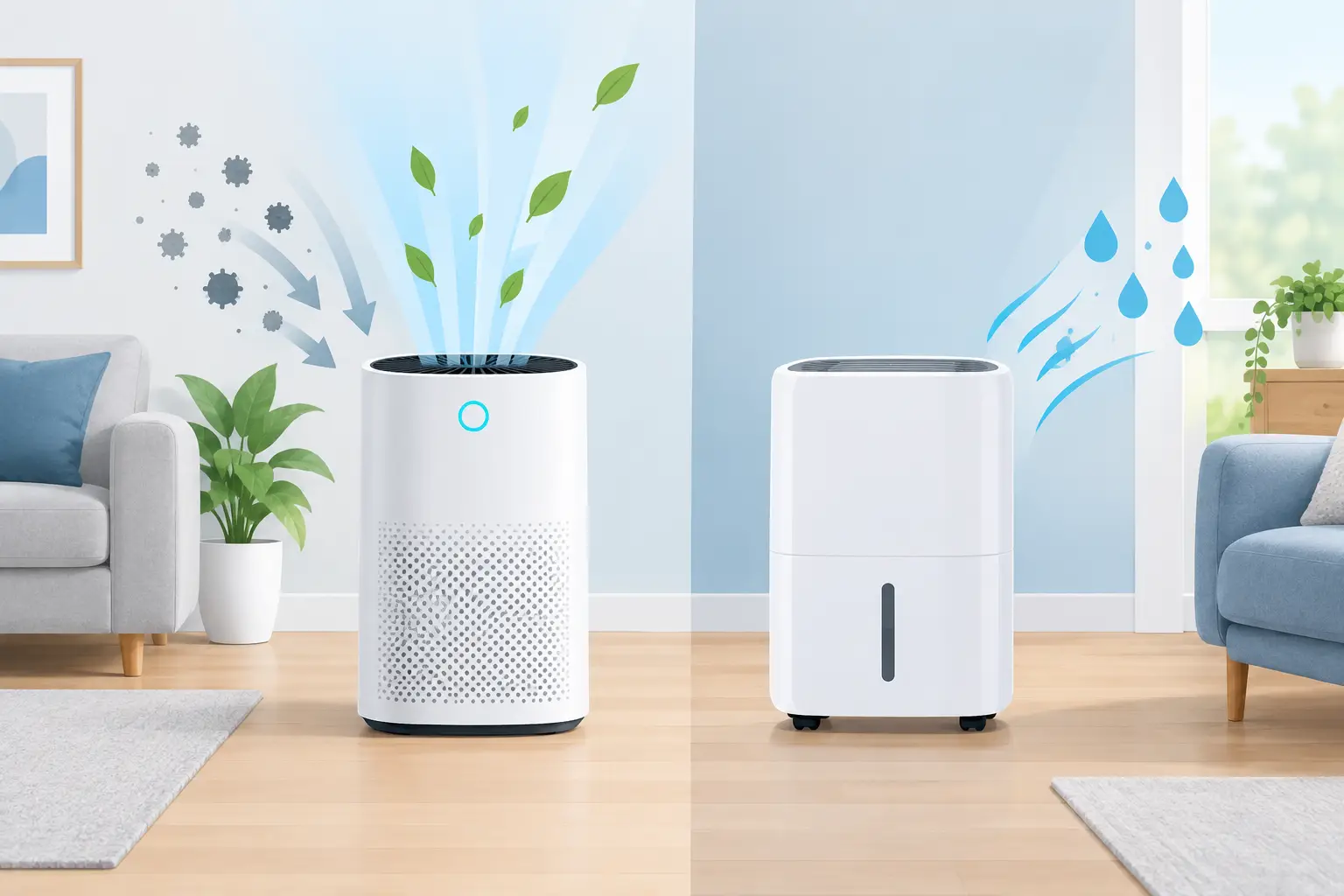
A bedroom can look impeccably styled and still feel off: the air seems heavy by morning, towels never quite dry, or dust settles faster than expected. The purifier versus dehumidifier decision comes down to identifying that hidden discomfort. These appliances improve indoor living in distinctly different ways, and choosing the right one can make a home feel fresher, calmer, and better cared for.
Purifier versus dehumidifier: the essential difference
An air purifier cleans the air by drawing it through filters that capture airborne particles. Depending on the model and filter system, it can reduce common indoor pollutants such as dust, pollen, pet dander, smoke particles, and some odors. It is designed for the person who wants cleaner-feeling air, especially in bedrooms, living rooms, nurseries, and pet-friendly spaces.
A dehumidifier removes excess moisture from the air and collects it in a tank or sends it through a drain hose. Its purpose is moisture control, not air filtration. By bringing humidity down to a more comfortable range, it can help a room feel less sticky, reduce window condensation, and create conditions that are less welcoming to mold and mildew.
Neither is a substitute for the other. A purifier does not dry damp air, while a dehumidifier does not remove fine dust, pollen, or pet dander in the way a true filtration system can. The better investment depends on what your room is telling you.
What an air purifier brings to a room
Air purifiers are a refined upgrade for homes where everyday air quality is the priority. If allergies seem more noticeable indoors, pets share the sofa, cooking aromas travel through an open-plan layout, or a nearby road leaves a fine film of dust, a purifier can make a meaningful difference.
The most effective models pair a high-efficiency particulate filter with a pre-filter and, often, activated carbon. The pre-filter catches larger debris such as hair and lint, helping preserve the main filter. A high-efficiency filter targets tiny airborne particles, while activated carbon is particularly useful for odors from cooking, pets, or smoke.
Placement matters as much as the machine itself. A purifier should have breathing room around its intake and outlet, rather than being tucked behind a chair or pressed into a corner. For a bedroom, choose a unit sized for the room and quiet enough to run overnight. For a main living space, prioritize coverage area and an easy-to-maintain filter system over a compact silhouette that is simply too small for the job.
A purifier is especially compelling when the issue is what is floating in the air, not how damp the room feels. Sneezing after making the bed, lingering odors, visible dust, and pet dander are all strong signals.
What a dehumidifier does best
Humidity changes the character of a home. A room may feel warmer than the thermostat suggests, sheets can feel clammy, and a basement can take on a stale scent even when it is spotless. In these cases, a dehumidifier is the more precise solution.
Most homes are generally most comfortable when relative humidity stays around 30% to 50%. Above that range, moisture can collect on cool surfaces and create a favorable environment for mold and mildew. This is common in basements, bathrooms without strong ventilation, laundry rooms, coastal homes, and spaces that have experienced water intrusion.
A dehumidifier pulls that extra water vapor from the air. The result is not just less stickiness. It can make a finished basement feel more inviting, help stored textiles remain fresher, and protect books, wood furnishings, and other moisture-sensitive pieces. It also eases the burden on an air conditioner during a humid season, since drier air often feels cooler.
Capacity deserves careful attention. Small portable models can work well for a modest bedroom or bathroom, but a large lower level may require a higher-capacity unit. Continuous drainage is a premium convenience for frequently damp spaces, eliminating the need to empty a tank every day. A built-in humidistat is equally valuable because it lets the appliance maintain a chosen moisture level instead of running without purpose.
Which signs point to the right choice?
Choose an air purifier when the room feels dusty or stale despite regular cleaning, when allergy triggers are a concern, or when pets, smoke, and cooking odors affect comfort. It is also a smart addition to a bedroom if you want cleaner air while you sleep without changing the room’s moisture level.
Choose a dehumidifier when you see condensation on windows, notice a musty odor, find mildew in closets or bathrooms, or feel persistent dampness in a basement. If laundry dries slowly indoors or the air feels heavy after a shower, excess humidity is likely the larger issue.
There are a few gray areas. Musty air can suggest mold or mildew, which points toward a dehumidifier, but it may also include particles and odors that benefit from a purifier. Similarly, a purifier can reduce smoke particles but will not fix a humid room that is holding odors more intensely. Look for the root condition, not only the symptom.
For bedrooms and nurseries
A purifier is usually the first choice for a sleeping space, particularly for allergy-conscious households, pet owners, and anyone who values a quieter, fresher atmosphere. Look for low nighttime noise, dimmable controls, and a coverage rating that suits the full room rather than just the area around the bed.
A dehumidifier belongs in the bedroom when humidity is consistently high. It can be useful in warm climates or poorly ventilated rooms, although compressor-style models may create more sound than a purifier. In that case, running it earlier in the evening or during the day can preserve a more peaceful nighttime setting.
For basements, bathrooms, and laundry rooms
These moisture-prone spaces often call for a dehumidifier first. A unit with a drain-hose option is particularly practical for a basement, while compact designs can help in smaller utility areas. Address leaks, inadequate ventilation, or visible mold at the source as well. An appliance can manage the air, but it cannot repair a plumbing issue or a foundation problem.
A purifier can be a polished companion in a finished basement, home gym, or laundry-adjacent living area where airborne dust or lingering odors remain after humidity is under control.
Can you use a purifier and dehumidifier together?
Absolutely. In some homes, the most elevated solution is not choosing one appliance over the other but giving each a distinct role. A dehumidifier manages moisture, while an air purifier handles particles and odors. Together, they can improve comfort in a pet-friendly basement, a humid bedroom, or a home where seasonal allergies and summer moisture overlap.
Keep the units several feet apart so neither device disrupts the other’s airflow. Close exterior doors and windows while they operate for stronger results, and keep up with maintenance. Empty and clean a dehumidifier tank as directed to prevent buildup. Replace purifier filters on schedule, since an overloaded filter cannot perform at its best.
Features worth paying for
Premium design should make daily routines easier, not add another appliance to manage. For purifiers, room-appropriate coverage, a filter replacement indicator, washable pre-filters, quiet operation, and an air-quality sensor can justify a higher-tier choice. A clean, considered exterior also matters when the unit will sit in a visible living space.
For dehumidifiers, focus on a reliable humidistat, auto shutoff, easy-roll casters, a generous tank, and continuous-drain compatibility. A washable filter helps protect the machine from dust, but remember that it is not the same as a purifier’s particle-capturing filtration system.
Avoid buying based on square footage alone. Ceiling height, open floor plans, pets, local climate, and how the room is used all influence performance. A beautifully designed appliance that is undersized will not deliver the comfort you expected.
Common questions
Will a dehumidifier remove dust or allergens?
No. It can reduce moisture that supports mold and dust mites, but it does not filter airborne particles like dust, pollen, or dander. For those concerns, add an air purifier with an appropriate filtration system.
Will an air purifier help with mold?
It can capture some airborne mold spores, but it does not remove the moisture source that allows mold to grow. If humidity, leaks, or visible mold are present, address those conditions first and use a dehumidifier to help keep moisture controlled.
Is dry air always better?
No. Overly dry air can feel uncomfortable and may affect wood furnishings or houseplants. The goal is balanced humidity, not the lowest possible reading. Use the humidistat to maintain a comfortable level rather than running the unit continuously.
The best choice is the one that answers your home’s real need. Clear the air when particles and odors are stealing comfort. Lower the humidity when moisture is changing the way a room feels, smells, or wears over time. When both conditions are present, pairing the two creates the kind of composed, comfortable environment that makes coming home feel like an upgrade.











Leave a comment